Personalized Medical Care & Dedicated International Patient Concierge

Specialty Overview
Minish Biomimetic Dentistry
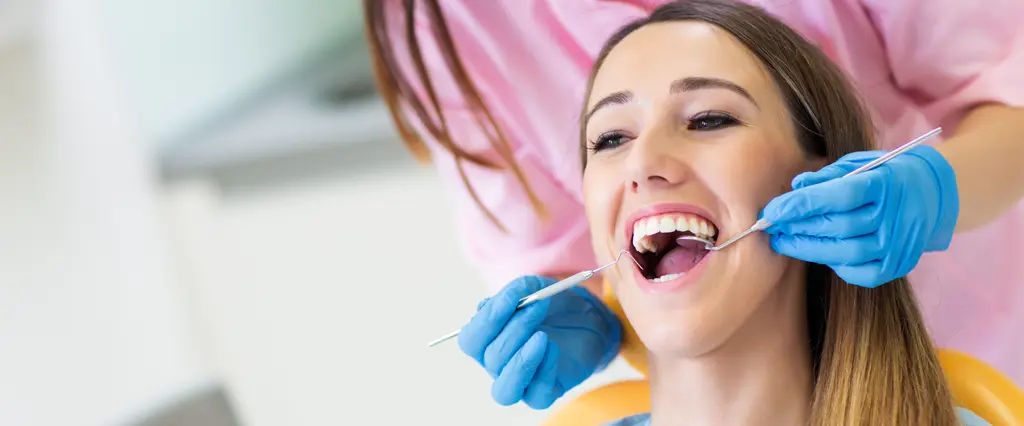
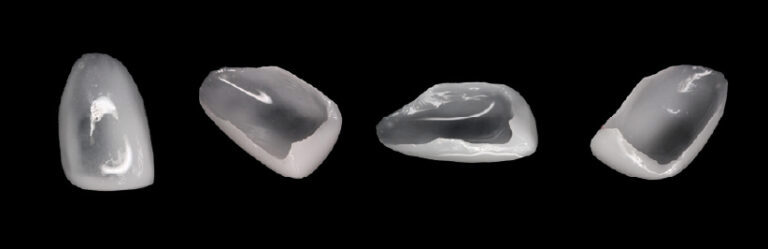
MINISH is a minimally invasive, biomimetic tooth-restoration approach that rebuilds damaged, chipped, worn, or discolored teeth using precision-manufactured restorations engineered to resemble the strength, translucency, and appearance of natural.
Schedule a ConsultationMinish Biomimetic Dentistry
Medically reviewed by Dr. Park Hyo Jin, Certified Minish Provider, Specialist in Conservative Dentistry,
Magok Pureunmaeum Dental Clinic, Seoul
MINISH is a minimally invasive, biomimetic tooth-restoration approach that rebuilds damaged, chipped, worn, or discolored teeth using precision-manufactured restorations engineered to resemble the strength, translucency, and appearance of natural tooth structure. Patients searching for a MINISH dentist in Seoul are typically looking for a way to repair a compromised tooth without sacrificing more of the natural tooth than necessary, and MINISH restoration is built specifically around that goal. At Magok Pureunmaeum Dental Clinic, MINISH treatment sits inside a broader natural-tooth-preservation philosophy the clinic has followed since it opened in 2017, in which every treatment plan is designed with the mindset of treating one's own family, and extraction is considered only after preservation options have been evaluated. This approach is intended as an alternative where the remaining tooth structure allows for it, not as a universal replacement for every restorative situation.
What Is Minish Biomimetic Dentistry?
MINISH biomimetic dentistry is a restoration method that repairs damaged teeth with materials manufactured to mimic the mechanical and visual properties of natural tooth structure, then bonds those restorations adhesively onto the tooth that remains rather than replacing it wholesale. Instead of a single generic material or technique, the approach is built around a specific set of mechanical facts:
- The restoration is fabricated from the MINISH Block, a precision-engineered material designed to resemble natural-tooth properties rather than a generic ceramic or composite block.
- Fabrication uses ultra-precision machining, including the MINISH Robot, to mill the restoration to a tight fit before it is ever placed against the patient's tooth.
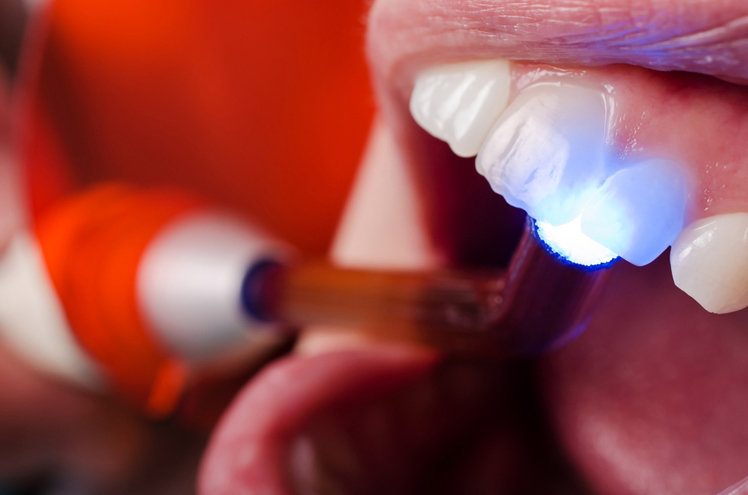
- The finished restoration is bonded to the prepared tooth using adhesive techniques and cured with the MINISH Photopolymerizer, rather than cemented in place as a separate mechanical piece.
- Digital 3D scanning replaces a conventional physical impression at both the diagnostic and design stages.
- Applications range from anterior teeth to molars, meaning the same underlying restoration technology is used across different positions and functional demands in the mouth.
Together, these mechanical facts are what separate MINISH from a conventional filling or crown: the material, the fabrication method, and the bonding technique are each selected specifically to behave like the tooth being restored, rather than sitting on top of it as an unrelated material.
Who Performs Minish Treatment at Magok Pureunmaeum Dental Clinic
Dr. Park Hyo Jin
Specialist in Conservative Dentistry
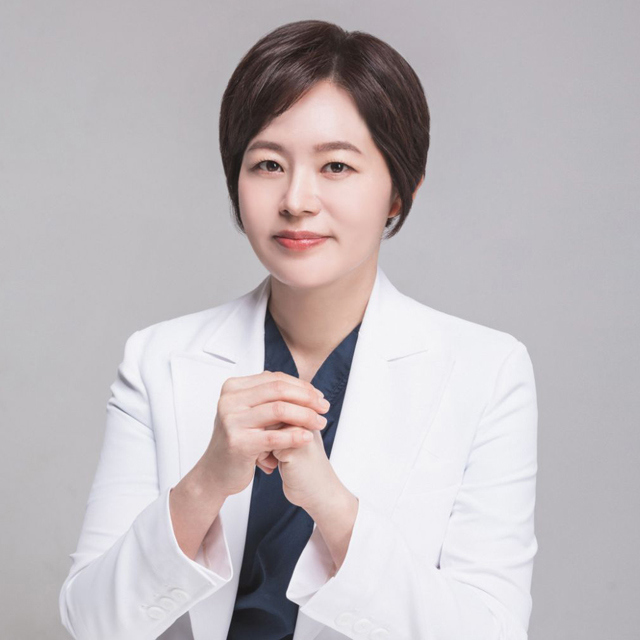
MINISH treatment at Magok Pureunmaeum Dental Clinic is provided by Dr. Park Hyo Jin, Director of the clinic and a Certified MINISH Provider. Dr. Park holds a Master's Degree in Dentistry from Wonkwang University Graduate School and brings more than 22 years of clinical experience in conservative dentistry to MINISH cases. He is a full member of the Korean Academy of Conservative Dentistry, the Korean Academy of Endodontics, the Korean Academy of Esthetic Dentistry, and the Minish Biomimetic Dentistry Society, which places his MINISH-specific training inside a broader base of restorative and endodontic expertise rather than treating MINISH as a standalone add-on skill. Because a MINISH restoration is bonded directly against whatever tooth structure remains, a clinician trained in conservative dentistry — the discipline concerned with preserving and repairing natural teeth rather than replacing them outright — is working from a background directly relevant to how the case is diagnosed, prepared, and finished. That combination of a conservative dentistry specialty and a formal MINISH provider certification is the basis on which MINISH cases are planned at this clinic. The formal MINISH provider training curriculum covers diagnosis, tooth preparation, 3D scanning, adhesive bonding, occlusion, and restoration setting as a connected sequence — the same set of skills a MINISH case moves through from the first visit to the final adjustment. Dr. Park's Certified MINISH Provider status confirms he has completed that curriculum, as a credential separate from, and additional to, his conservative dentistry specialty rather than a substitute for it.
Minish Treatment Variants
MINISH is not a single fixed procedure. The underlying restoration technology has been extended into several named applications, and a consultation will identify which, if any, is relevant to a given tooth:
- Dual MINISH — an approach that combines two MINISH components for cases that need an added layer of structural or aesthetic correction.
- Pink MINISH — extends the MINISH material concept to gum-colored restoration for cases involving both tooth and visible gum-tissue correction.
- MINISH Bridge — a MINISH-based approach to replacing a missing tooth without a conventional bridge preparation.
- Molar MINISH — the application of MINISH restoration specifically to molars, which carry heavier bite forces than front teeth.
Whether any of these variants applies depends entirely on the condition of the tooth being treated and can only be determined through an in-person examination.
Who Is a Good Candidate for Minish Treatment?
- Patients with damaged, chipped, worn, discolored, or misshapen teeth that still retain enough healthy tooth structure to support a conservative, adhesively bonded restoration.
- Patients with extensively damaged molars, since MINISH has applications beyond the front teeth.
- International patients specifically interested in conservative restoration, natural-looking aesthetics, tooth-structure preservation, Korean dental technology, or the possibility of a faster treatment timeline.
- Patients who want to avoid extraction and are looking for a restoration option to be evaluated before more invasive treatment is considered.
Best-candidate status also depends on the specific tooth rather than the patient in general. A patient can be an excellent candidate for MINISH on one tooth and need a different approach entirely on another, which is why an individual exam of the affected tooth or teeth precedes every case rather than a single blanket assessment of the whole mouth.
MINISH is not automatically suitable for every damaged tooth. It is generally not appropriate for teeth with untreated decay, active periodontal disease, significant infection, insufficient remaining tooth structure, or severe fracture, and certain uncontrolled bite or grinding problems may need to be addressed with other treatment first. Final candidacy can only be confirmed through an in-person examination at the clinic.
What to Expect: Procedure, Recovery, and Results Timeline
A MINISH case moves through a fixed sequence of steps regardless of which tooth is being treated. Examination and diagnosis come first, confirming that the tooth in question has enough remaining structure for the restoration, and that assessment determines whether MINISH is workable for that specific tooth before any preparation begins. Because MINISH provider training already covers diagnosis, preparation, 3D scanning, bonding, occlusion, and setting as a connected sequence, the clinician confirming candidacy is also the clinician who carries the case through fabrication and bonding, rather than handing it between separate specialists at each stage. A digital 3D scan then replaces a conventional physical impression, capturing the tooth's exact geometry. Tooth preparation follows, shaping the remaining structure so it can receive the restoration. A digital design stage translates that scan into the shape of the finished restoration. The MINISH restoration is then fabricated using ultra-precision machining, drawing on the MINISH Block material and the MINISH Robot. Once fabricated, the restoration is fitted and tried in on the tooth before it is permanently placed. Adhesive bonding follows, securing the restoration to the tooth with techniques cured using the MINISH Photopolymerizer. An occlusal check and adjustment finishes the appointment, confirming that the bite feels even before the patient leaves the chair.
Step | What Happens |
|---|---|
1. Exam & diagnosis | Confirms enough healthy tooth structure remains for MINISH |
2. Digital/3D scan | Captures tooth geometry without a physical impression |
3. Tooth preparation | Shapes the remaining structure to receive the restoration |
4. Digital design | Converts the scan into the restoration's design |
5. Precision fabrication | The MINISH Block is milled on the MINISH Robot |
6. Fit/try-in | The restoration is checked on the tooth before bonding |
7. Adhesive bonding | The restoration is bonded and cured with the MINISH Photopolymerizer |
8. Occlusal check & adjustment | The bite is checked and adjusted before the visit ends |
Depending on the amount and location of tooth preparation required, local anesthesia may be used. MINISH includes what is described as a One Day System, meaning same-day treatment is available in appropriate cases, but this cannot be guaranteed for every patient — the number of teeth involved and their individual condition affect how long the overall process takes. Because the restoration is preserved rather than replaced wholesale, an aesthetic result is typically visible as soon as the restoration is bonded and adjusted, though how long that result lasts depends on oral hygiene, bite forces, the specific material used, the condition of the underlying tooth, and the technique used to place it.
Combining Minish with Other Treatments
MINISH restoration is often one part of a broader treatment plan rather than an isolated procedure. Because a MINISH restoration is bonded to whatever tooth structure and bite relationship already exist, addressing the following either first or alongside MINISH protects the long-term result rather than being an optional add-on. Depending on the overall condition of the mouth, it may be combined with:
- Periodontal treatment, where gum health needs to be addressed before or alongside restoration.
- Decay treatment, where active cavities must be resolved before a MINISH restoration is placed.
- Endodontic (root canal) treatment, where the tooth's internal structure needs treatment first.
- Orthodontic treatment, where tooth position or bite alignment affects how the restoration will function.
- Teeth whitening, where shade-matching between natural teeth and the restoration is a consideration.
- Occlusal or night-guard management, where grinding or clenching habits need to be controlled to protect the restoration over the long term.
Safety, Precision, and Clinic Standards
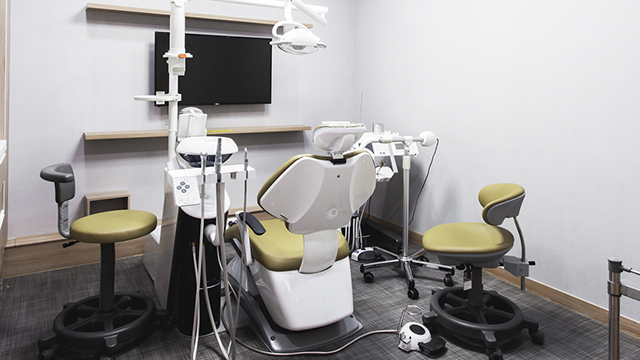
Magok Pureunmaeum Dental Clinic uses 3D CT imaging and digital diagnostic systems clinic-wide, including for MINISH treatment planning. The clinic is a Registered Medical Institution for Attracting Foreign Patients, certified by Korea's Ministry of Health and Welfare under the Medical Overseas Expansion and Foreign Patients Attraction Act, and holds Business Registration No. 345-60-00227. MINISH restoration itself relies on precision fabrication technology — ultra-precision machining and a dedicated adhesive-curing device, the MINISH Photopolymerizer — rather than manual chairside fabrication alone. The clinic's natural-tooth-preservation philosophy, in place since it was established in 2017, treats extraction as a last resort considered only after preservation options such as MINISH have been evaluated. The clinic's digital diagnostic workflow, used across specialties rather than only for MINISH, pairs 3D CT imaging with digital scanning so that a MINISH treatment plan is built from the same diagnostic base as any other procedure performed at the clinic. The MOHW registration is specific to institutions meeting requirements for accommodating overseas patients under Korean law, and it sits alongside, not in place of, the clinical standards that apply to any dental procedure performed at the clinic. Independent of any single clinic's own technology, the Academy of Biomimetic Dentistry describes the broader biomimetic approach that MINISH belongs to as combining tissue preservation with modern adhesive techniques to create restorations that function like a natural tooth. Peer-reviewed dental literature on minimally invasive, biomimetic restorative dentistry similarly frames this adhesive, tissue-preserving approach as an alternative to more invasive preparations such as full-coverage crowns.
The Bottom Line
- MINISH is a biomimetic, minimally invasive restoration that repairs damaged teeth with precision-manufactured, natural-tooth-like materials, adhesively bonded rather than cemented as a separate piece.
- At Magok Pureunmaeum Dental Clinic, MINISH is provided by Dr. Park Hyo Jin, a Certified MINISH Provider and Specialist in Conservative Dentistry with more than 22 years of clinical experience.
- Good candidates have damaged, chipped, worn, discolored, or misshapen teeth with enough remaining healthy structure; untreated decay, active gum disease, and severe structural loss generally rule a tooth out until those issues are treated.
- Treatment follows an eight-step sequence from exam through occlusal adjustment, and same-day treatment may be possible under the MINISH One Day System, though this depends on the individual case.
- MINISH is frequently combined with periodontal, decay, endodontic, orthodontic, or whitening treatment as part of a broader plan rather than used in isolation.
Frequently Asked Questions
What is MINISH biomimetic dentistry, exactly? It is a minimally invasive restoration method that rebuilds a damaged tooth using precision-manufactured materials engineered to resemble natural tooth structure, then bonds that restoration adhesively onto the remaining healthy tooth rather than replacing the tooth wholesale. This distinguishes it from a filling, which fills a cavity, and from a crown, which caps the entire visible tooth.
Am I a candidate for MINISH treatment? Good candidates have damaged, chipped, worn, discolored, or misshapen teeth with enough healthy structure remaining for a conservative restoration, including extensively damaged molars. Untreated decay, active gum disease, significant infection, insufficient remaining structure, severe fracture, or uncontrolled grinding may need to be addressed first, and final candidacy is confirmed through examination.
Will I need anesthesia for a MINISH restoration? Local anesthesia may be used depending on how much tooth preparation is required and where the tooth is located in the mouth. The clinic's broader philosophy emphasizes avoiding unnecessary or overly invasive treatment, but pain-free treatment cannot be guaranteed for every patient.
Can MINISH treatment be finished in one day? MINISH includes a One Day System that makes same-day treatment possible in appropriate cases. Whether that applies to a specific patient depends on the number of teeth involved and their condition, so it should not be assumed before an examination confirms it. Patients who want to plan travel or appointment timing around a single visit should raise this directly at the consultation stage rather than assume it applies to their case.
How long does a MINISH restoration last? Longevity depends on factors including oral hygiene, bite forces, the material used, the condition of the underlying tooth, and the technique used to place it. No specific lifespan can be guaranteed for every case, and outcomes vary by patient.
What are the risks of a MINISH restoration? As with other bonded restorations, possible risks include temporary sensitivity, chipping or fracture of the restoration, debonding or loosening, marginal problems, recurrent decay at the restoration margin, and bite discomfort that requires adjustment. These are the same general categories of risk associated with any adhesively bonded restoration, not risks unique to the MINISH material itself.
How is MINISH different from a porcelain veneer or a crown? A veneer typically covers the front surface of a tooth and a crown covers the entire tooth, while MINISH is designed to restore a tooth using minimal-to-conservative preparation with materials matched to natural tooth properties. Composite bonding is even more conservative for very minor corrections but is generally less durable. Inlays, onlays, and orthodontic correction are additional alternatives depending on whether the underlying problem is primarily a cavity, a damaged cusp, or tooth alignment. Which option fits a given tooth depends on how much of it is damaged.
What happens if I grind or clench my teeth? Uncontrolled bite or grinding problems may need to be managed — sometimes with a night guard — before or alongside MINISH treatment, since those forces can affect how a bonded restoration performs over time. This is assessed as part of the initial examination.
Book a Consultation at Magok Pureunmaeum Dental Clinic
If you are considering MINISH treatment in Seoul, the next step is an in-person examination to confirm whether your tooth has enough remaining structure for a conservative, biomimetic restoration. Magok Pureunmaeum Dental Clinic is located on the 3rd Floor, Woosung SB Tower, 385 Gangseo-ro, Gangseo-gu, Seoul, near Exit 2 of Balsan Station, and is open Monday, Wednesday, Thursday, and Friday from 9:30 AM to 6:30 PM, Tuesday from 9:30 AM to 8:30 PM, and Saturday from 9:30 AM to 2:00 PM, with no lunch break; the clinic is closed Sundays and public holidays. To schedule a MINISH consultation, visit the clinic's contact page. Bringing any prior dental records or photos of the tooth in question can help the initial consultation move more efficiently, though a full clinical exam is still required before any treatment plan is confirmed.
Disclaimer
This page is for general informational purposes and does not constitute individualized medical advice. Candidacy, technique, and expected outcomes can only be determined through a consultation with a qualified physician.
Sources & Further Reading
Related Services
Procedures available within our clinical departments.
Standard Implants
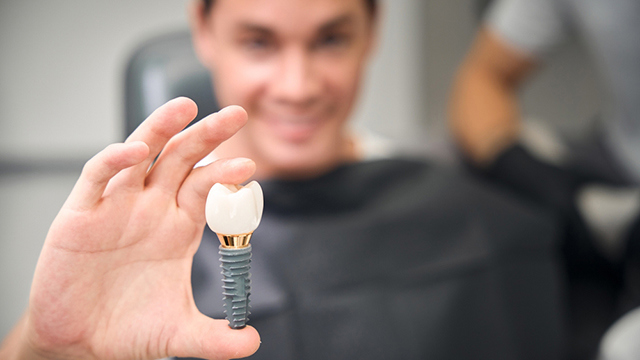
A standard dental implant surgically embeds a titanium fixture into the jawbone to replace a missing tooth root, then secures a custom-fitted crown on top through an intermediate abutment.
Learn More
Single-Visit Root Canal Treatment
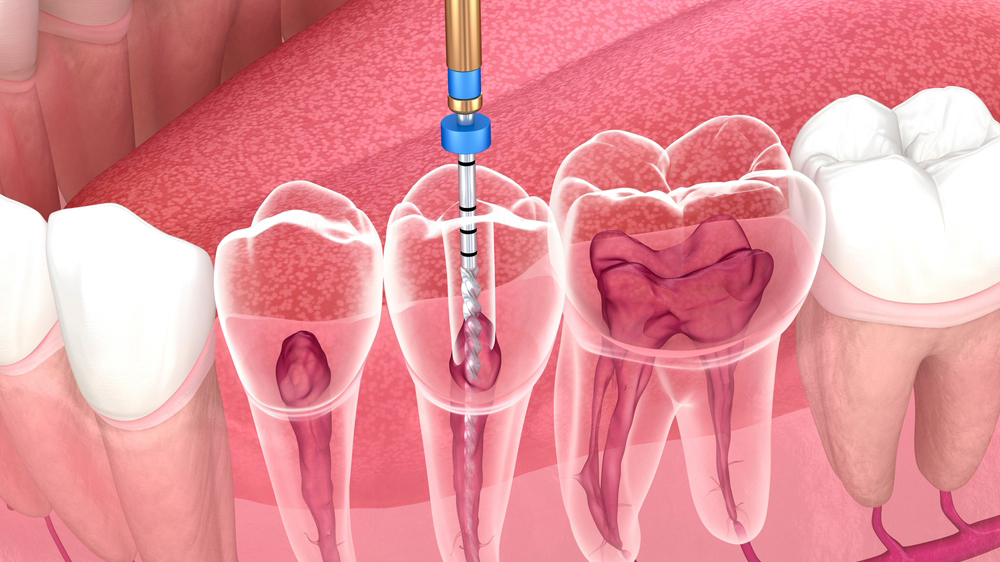
Single-visit root canal treatment is a procedure that removes infected or inflamed pulp tissue from inside a tooth and seals the resulting root canal system, completed within one appointment rather than staged across multiple visits.
Learn More
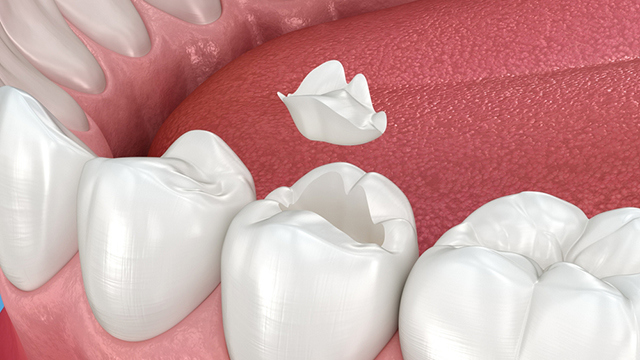
Inlay Restoration
An inlay restoration fits a custom-fabricated piece precisely within the central area between a tooth's cusps, repairing moderate decay or damage without covering the cusps themselves or the whole tooth.
Learn More