Personalized Medical Care & Dedicated International Patient Concierge

Prosthetic Restoration · Needs Clinic Confirmation
Inlay Restoration
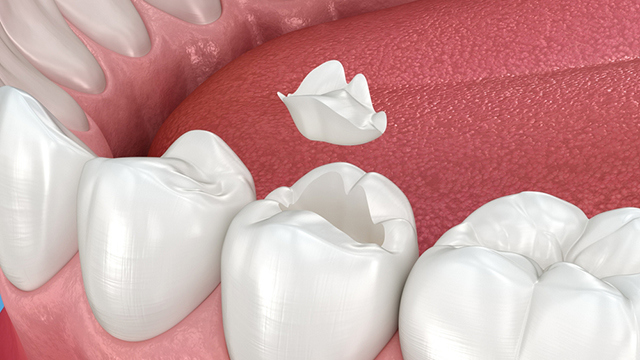
An inlay restoration fits a custom-fabricated piece precisely within the central area between a tooth's cusps, repairing moderate decay or damage without covering the cusps themselves or the whole tooth.
Schedule a ConsultationInlay Restoration
Medically reviewed by Dr. Park Hyo Jin, Specialist in Conservative Dentistry / Director, Magok Pureunmaeum Dental Clinic, Seoul
A dental inlay is a custom-fabricated restoration that fits precisely within the cusps, or chewing surface, of a tooth, used for moderate decay or damage that is too extensive for a simple filling but does not require full coverage. For patients researching a dental inlay Seoul option, Magok Pureunmaeum Dental Clinic in Gangseo-gu offers inlay restoration Korea patients can consider specifically as the more conservative of its three prosthetic restoration options, chosen when the natural tooth-preservation approach the clinic applies clinic-wide points toward keeping as much healthy tooth structure intact as possible.
What Is Inlay Restoration?
An inlay restoration fits a custom-fabricated piece precisely within the central area between a tooth's cusps, repairing moderate decay or damage without covering the cusps themselves or the whole tooth.
- Inlays are used for moderate cavities or damage confined within the central chewing surface of a tooth — more extensive than a simple filling could reliably restore, but not extending onto the cusps.
- They are a conservative option that preserves more natural tooth structure than a crown, since only the damaged area between the cusps is prepared and covered.
- An inlay depends on the surrounding cusp structure remaining healthy and intact; if the cusps themselves are damaged, an onlay or crown may be more appropriate instead.
- The restoration is custom-fabricated from either an impression or a digital scan of the prepared tooth, ensuring a precise fit.
- When tooth-colored materials are used, an inlay is designed to blend with the natural tooth for a good aesthetic match.
Who Performs Inlay Restoration at Magok Pureunmaeum Dental Clinic

Dr. Park Hyo-jin
Conservative Dentistry Expert
Inlay restoration at Magok Pureunmaeum Dental Clinic is performed by Dr. Park Hyo Jin, a Specialist in Conservative Dentistry and Director of the clinic with more than 22 years of clinical experience. Dr. Park holds a Master's Degree in Dentistry from Wonkwang University Graduate School and is a full member of the Korean Academy of Conservative Dentistry, the Korean Academy of Endodontics, the Korean Academy of Esthetic Dentistry, and the Minish Biomimetic Dentistry Society, and is a Certified Minish Provider. Conservative dentistry is specifically the discipline concerned with preserving as much natural tooth structure as possible while still adequately treating decay or damage, which is precisely the judgment call an inlay represents — restoring a tooth without removing or covering more of it than necessary. That focus, built over more than two decades of practice, is what allows the clinic to confirm confidently when a conservative inlay will suffice rather than defaulting to a more extensive restoration.
Inlay Restoration in Context: A Conservative First Option
Among the three prosthetic restoration options offered at this clinic, the inlay sits at the most conservative end of the scale, covering only the space between a tooth's cusps rather than the cusps themselves or the entire tooth. This makes it the appropriate choice specifically when decay or damage is moderate and confined to the central chewing surface, with the surrounding cusp structure remaining healthy.
Because an inlay requires healthy, intact cusp structure to be an appropriate option, the clinic's exam and imaging step is used to confirm that the damage genuinely stays within the boundary an inlay is designed to cover. If the imaging shows that damage extends onto one or more cusps, an onlay — which covers the affected cusp or cusps — is generally the more appropriate option, and if damage is more extensive still, a full crown may be needed instead. This graduated decision-making is why an inlay is never assumed by default; it is confirmed by what the exam and imaging actually show.
Who Is a Good Candidate for Inlay Restoration?
- Patients with moderate decay or damage limited to the area between the cusps of a tooth, where a simple filling would not be durable enough.
- Patients who want a conservative restoration option that preserves more natural tooth structure than a crown would.
- Teeth with healthy, intact surrounding cusp structure, since an inlay depends on the cusps themselves remaining undamaged.
- Patients are generally not suitable candidates for an inlay when damage extends over one or more cusps — an onlay may be more appropriate — or when damage is extensive across the whole tooth, which may call for a crown instead.
What to Expect: Procedure, Recovery, and Results Timeline

Inlay restoration begins with a clinical exam and imaging to confirm that damage is genuinely confined within the cusps of the tooth, making an inlay the appropriately conservative option rather than a more extensive onlay or crown. Local anesthesia is used during tooth preparation, so the removal of decayed tissue is not expected to be uncomfortable.
Stage | What Happens |
|---|---|
Exam and imaging | Confirms damage is confined within the cusps and an inlay is the appropriate option |
Tissue removal | Decayed tissue is removed from the affected area |
Tooth preparation | The tooth is prepared to receive the inlay |
Impression or scan | An impression or digital scan captures the prepared tooth for fabrication of the custom inlay |
Fabrication | The custom inlay is fabricated to fit the prepared area precisely |
Fitting and cementation | The final inlay is fitted, adjusted, and cemented into place |
Because the inlay itself is custom-fabricated after the impression or scan is taken, inlay restoration typically involves more than one appointment: an initial visit for the exam, tissue removal, preparation, and impression or scan, followed by a later visit for fitting and cementation once the inlay has been fabricated. Some temporary sensitivity is possible after cementation, and this is expected to resolve within days. Recovery involves minimal downtime, since inlay restoration is not a surgical procedure. Aftercare centers on maintaining good oral hygiene around the restored tooth, avoiding excessive biting force on it in the initial period after cementation, and attending follow-up checkups so the clinic can confirm the inlay is settling correctly.
An inlay is durable when properly maintained, though its longevity depends on the restoration material, the bite forces the tooth is subject to, ongoing oral hygiene, and regular checkups. As with any restoration, an inlay may eventually need repair or replacement, and no specific lifespan can be guaranteed for an individual case in advance.
Because an inlay is bonded within the boundary of the cusps rather than covering them, patients sometimes ask whether it will feel noticeably different from the rest of the tooth. When the fit is precise — which is the purpose of taking an impression or digital scan of the prepared tooth rather than selecting a pre-made size — the inlay is designed to sit flush with the surrounding tooth surface, so the bite feels consistent once any initial sensitivity from preparation has resolved. This is also why the fitting and adjustment step at the second appointment matters: it gives the clinic the opportunity to check the bite directly before the inlay is permanently cemented, rather than relying on the fabrication process alone to get it exactly right.
Combining Inlay Restoration with Other Treatments
- A simple filling may be sufficient for smaller damage that does not require a custom-fabricated restoration at all, which is why the exam and imaging step is used to confirm an inlay is genuinely warranted before proceeding.
- If the exam finds that damage is more extensive than initially assessed — extending onto one or more cusps, or across the tooth more broadly — an onlay or crown may be needed instead, and the treatment plan is adjusted accordingly.
- Inlay restoration may also be considered as one part of a broader treatment plan when a neighboring tooth requires a different form of prosthetic restoration, so the bite across adjacent teeth is coordinated rather than planned tooth by tooth in isolation.
- Where more than one tooth shows moderate, cusp-confined decay, multiple inlay restorations can be planned together within the same overall treatment schedule, so imaging and fabrication for related teeth are coordinated rather than treated as entirely separate cases.
Safety, Precision, and Clinic Standards
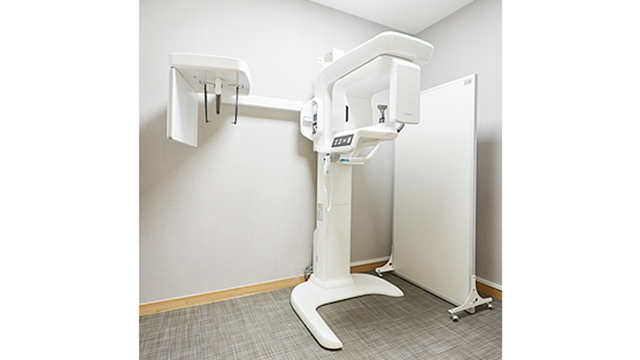
Inlay restoration at Magok Pureunmaeum Dental Clinic relies on digital X-ray and 3D-CT imaging to confirm that damage is genuinely confined within the cusps before an inlay is recommended, and on a digital scan or physical impression to fabricate an inlay that fits the prepared area precisely. The clinic is a Registered Medical Institution for Attracting Foreign Patients, certified by Korea's Ministry of Health and Welfare under the Medical Overseas Expansion and Foreign Patients Attraction Act. The American College of Prosthodontists describes inlays as traditionally used instead of fillings to replace a small amount of tooth structure lost to decay, noting that modern inlays can be made of tooth-colored materials such as ceramic, porcelain, or dental composite and bonded to the tooth — a bonding process that may improve the tooth's strength — which is consistent with this clinic's use of tooth-colored inlay materials for a good aesthetic match. The same source notes that it can be difficult to determine when an inlay, rather than an onlay or crown, is the right option, which is why this clinic confirms the choice through imaging rather than assuming it. Recognized risks of inlay restoration are limited: temporary sensitivity, a possible need for adjustment after cementation, and the likelihood that any restoration will eventually need repair or replacement over time.
The Bottom Line
- An inlay is a custom-fabricated restoration that fits within the cusps of a tooth, used for moderate decay or damage too extensive for a filling but not requiring full cusp or full-tooth coverage.
- It is the most conservative of the clinic's three prosthetic restoration options, preserving more natural tooth structure than an onlay or crown.
- Dr. Park Hyo Jin, Specialist in Conservative Dentistry, brings more than 22 years of experience specifically relevant to confirming when a conservative inlay will adequately restore a tooth.
- Good candidates have moderate, cusp-confined damage with healthy surrounding cusp structure; damage extending onto the cusps or across the tooth may call for an onlay or crown instead.
- Recovery involves minimal downtime, with results depending on the restoration material, bite forces, and ongoing oral hygiene.
Frequently Asked Questions
How is an inlay different from a filling? A filling is placed directly into a cavity during a single visit, while an inlay is a custom-fabricated restoration made from an impression or digital scan and fitted at a later appointment, generally used when damage is more extensive than a filling can reliably restore.
How is an inlay different from an onlay or crown? An inlay fits within the cusps of the tooth, an onlay covers one or more cusps, and a crown covers the entire tooth. The clinic's exam and imaging determine which of the three is appropriate based on how far the damage actually extends.
Will getting an inlay be painful? Local anesthesia is used during tooth preparation, so the procedure itself is not expected to be painful. Some temporary sensitivity is possible after the inlay is cemented, and this typically resolves within days.
How many visits does inlay restoration take? Inlay restoration typically requires more than one appointment: an initial visit for the exam, tissue removal, preparation, and impression or scan, and a later visit for fitting and cementation once the custom inlay has been fabricated.
What happens if my damage turns out to be more extensive than expected? If the exam and imaging show that damage extends onto one or more cusps or more broadly across the tooth, an onlay or crown may be recommended instead of an inlay, since either would provide the additional coverage the damage requires.
Can an inlay match the color of my natural tooth? Yes. When tooth-colored materials such as ceramic, porcelain, or composite are used, an inlay is designed to blend with the surrounding natural tooth for a good aesthetic match.
How long does an inlay last? Longevity depends on the restoration material, the bite forces the tooth experiences, the patient's oral hygiene, and whether regular checkups continue, so no single timeframe applies to every case; an inlay may eventually need repair or replacement.
Book a Consultation at Magok Pureunmaeum Dental Clinic

To find out whether an inlay is the right restoration for your tooth, book a consultation with Dr. Park Hyo Jin at Magok Pureunmaeum Dental Clinic in Seoul. The clinic's exam and 3D-CT imaging will confirm whether a conservative inlay, or a more extensive onlay or crown, best restores your tooth. Get in touch through the clinic's contact page to arrange your visit.
Disclaimer
This page is for general informational purposes and does not constitute individualized medical advice. Candidacy, technique, and expected outcomes can only be determined through a consultation with a qualified physician.
Sources & Further Reading
Other Services
Explore additional treatments offered by our specialists.
Standard Implants
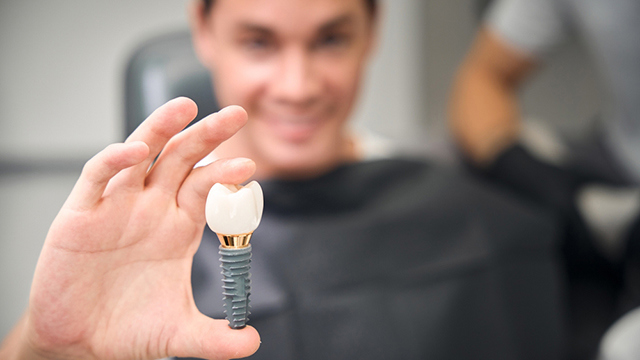
A standard dental implant surgically embeds a titanium fixture into the jawbone to replace a missing tooth root, then secures a custom-fitted crown on top through an intermediate abutment.
Learn More
Single-Visit Root Canal Treatment
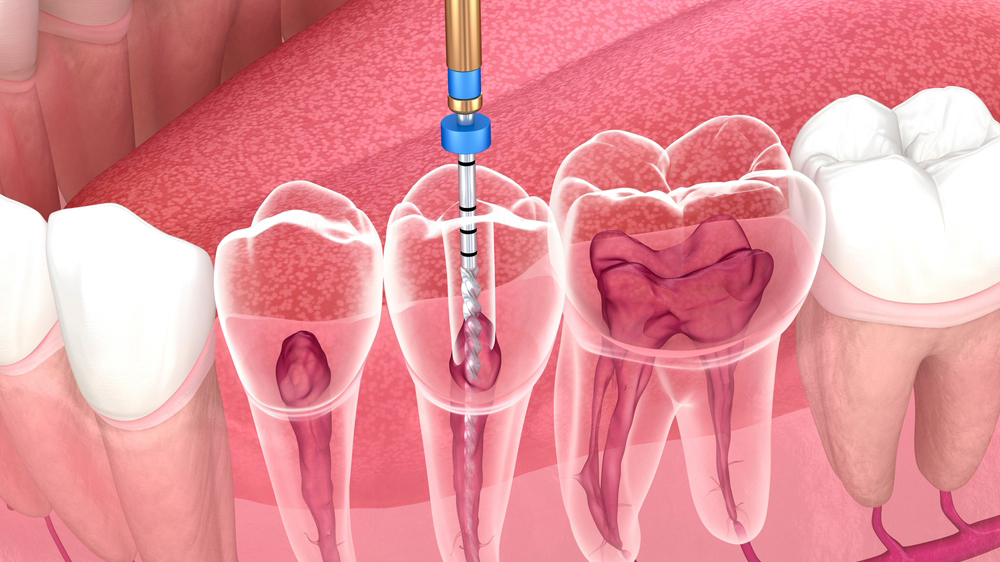
Single-visit root canal treatment is a procedure that removes infected or inflamed pulp tissue from inside a tooth and seals the resulting root canal system, completed within one appointment rather than staged across multiple visits.
Learn More
Inlay Restoration
An inlay restoration fits a custom-fabricated piece precisely within the central area between a tooth's cusps, repairing moderate decay or damage without covering the cusps themselves or the whole tooth.
Learn More