Personalized Medical Care & Dedicated International Patient Concierge

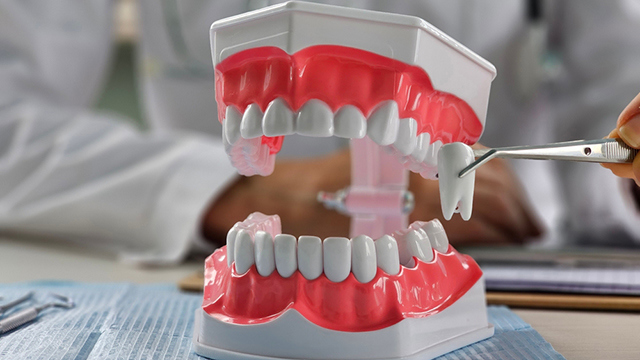
Oral & Maxillofacial Surgery · Needs Clinic Confirmation
Wisdom Tooth Extraction
Wisdom tooth extraction is the surgical removal of one or more third molars — the last teeth to develop at the back of the mouth — when they are impacted, partially erupted, misaligned, or posing a risk to oral health.
Schedule a ConsultationWisdom Tooth Extraction
Medically reviewed by Dr. Park Kyung Ran, Specialist in Oral and Maxillofacial Surgery, Magok Pureunmaeum Dental Clinic, Seoul
Wisdom tooth extraction is the surgical removal of a third molar that is impacted, partially erupted, misaligned, or otherwise causing pain, infection, or a risk of crowding damage to neighboring teeth. For patients researching wisdom tooth extraction Seoul options, the procedure is one of the most common reasons people are referred from general dentistry to an oral and maxillofacial surgeon in the first place, since many wisdom teeth do not have enough room to erupt normally. At Magok Pureunmaeum Dental Clinic, this impacted wisdom tooth Korea patients and international visitors both request is planned using 3D-CT imaging before any surgical step is taken, in keeping with the clinic's broader natural-tooth-preservation philosophy of evaluating each case individually rather than defaulting to blanket removal.
Not every wisdom tooth needs to come out. A wisdom tooth that has erupted fully, sits in a functional position, and is free of decay or gum disease can often be monitored rather than extracted. The decision to proceed with wisdom teeth removal Seoul clinics perform generally comes down to whether the tooth is causing — or is likely to cause — a problem that outweighs the risks of leaving it in place. That distinction is exactly why imaging comes before any recommendation for surgery: without a clear picture of the tooth's position and its relationship to nearby nerves, roots, and the jawbone, it is difficult to weigh those risks accurately.
For an international patient comparing where to have an impacted tooth surgery performed, the practical concern is often less about whether extraction is available and more about how carefully the case is planned beforehand, and how much support is offered for the days immediately after surgery. Because most patients undergoing this procedure are otherwise healthy people managing a single, well-defined surgical event, having a clear picture of what to expect — the steps involved, the realistic recovery timeline, and how to avoid complications such as dry socket — matters as much as the surgery itself.
What Is Wisdom Tooth Extraction?
Wisdom tooth extraction is the surgical removal of one or more third molars — the last teeth to develop at the back of the mouth — when they are impacted, partially erupted, misaligned, or posing a risk to oral health.
- Impacted wisdom teeth are teeth that cannot fully break through the gum or jawbone because there isn't enough room, and they are one of the most common reasons this procedure is performed.
- Partially erupted wisdom teeth create an opening in the gum tissue where bacteria can enter, which can lead to recurrent infection around the tooth (pericoronitis).
- Wisdom teeth positioned at an angle can push against the neighboring second molar, creating a crowding or damage risk to a tooth that would otherwise be healthy.
- Diagnosis relies on 3D-CT imaging and panoramic X-rays to determine the tooth's exact position, its angulation, and its proximity to the inferior alveolar nerve or the sinus before any surgical approach is planned.
- Not all wisdom teeth require extraction — a tooth that is fully erupted, functional, and free of disease can often be monitored with periodic imaging instead.
Who Performs Wisdom Tooth Extraction at Magok Pureunmaeum Dental Clinic

Dr. Park Gyeong-ran
Board-certified Oral & Maxillofacial Surgeon
Wisdom tooth extraction at Magok Pureunmaeum Dental Clinic is performed by Dr. Park Kyung Ran, a Specialist in Oral and Maxillofacial Surgery and a graduate of Yonsei University College of Dentistry. Dr. Park completed internship and residency training at Yonsei University Dental Hospital's Department of Oral and Maxillofacial Surgery, along with Master's and Doctoral programs in the same specialty, and holds Fellow status in Oral and Maxillofacial Surgery. This surgical training pathway — rather than general dental practice alone — is specifically what prepares a clinician to assess impacted and complex wisdom tooth cases and plan the safest surgical approach around each patient's individual anatomy.
Dr. Park additionally holds Senior Board-Certified Membership in the Korean Association of Maxillofacial Plastic and Reconstructive Surgeons. For a patient facing an impacted or difficult wisdom tooth extraction, this level of specialized surgical training means the case is assessed by a clinician whose training is centered on exactly this category of procedure, rather than treated as a routine extraction performed by a general dentist.
Who Is a Good Candidate for Wisdom Tooth Extraction?
- Patients with pain or swelling around an erupting or partially erupted wisdom tooth.
- Patients with recurrent infection around a wisdom tooth (pericoronitis), often caused by bacteria trapped under partially erupted gum tissue.
- Patients whose wisdom tooth is creating crowding pressure against a neighboring tooth or is otherwise positioned in a way that risks damage to adjacent teeth.
- Patients whose wisdom tooth was identified as impacted or at risk on routine dental imaging, even without significant symptoms yet.
- Patients in generally adequate health for outpatient oral surgery, able to safely undergo local anesthesia or, when needed, sedation.
Not every patient needs immediate extraction. A wisdom tooth that is asymptomatic, fully erupted, and not impacted or otherwise at risk may be reasonably monitored through periodic imaging rather than removed right away — extraction is not automatically the default for every wisdom tooth. Some patients are also not suitable candidates for surgery until an underlying issue is addressed first: uncontrolled systemic disease, a bleeding disorder that needs to be managed beforehand, or, in select cases, an active acute infection that requires antibiotic treatment before the extraction itself can proceed safely. Final candidacy for extraction versus monitoring is confirmed through consultation and diagnostic imaging rather than decided in advance.
What to Expect: Procedure, Recovery, and Results Timeline

Wisdom tooth extraction at Magok Pureunmaeum Dental Clinic follows a defined sequence, adjusted for the number of teeth involved and the complexity of each impaction.
- Diagnostic imaging — 3D-CT and panoramic X-ray — assesses root and nerve proximity, tooth angulation, and the overall surgical difficulty of the case.
- Local anesthesia is administered to numb the area; sedation or general anesthesia is an option for complex cases or for patients who are especially anxious about surgery.
- The surgeon gains surgical exposure to the tooth, sectioning it into pieces first if that reduces the amount of surrounding bone or tissue that needs to be disturbed.
- The tooth (or its sectioned pieces) is removed.
- The socket is cleaned and, when appropriate, sutured to support healing.
- Gauze is placed to control initial bleeding, and post-operative instructions are reviewed before the patient leaves.
Stage | What happens | Typical timing |
|---|---|---|
Diagnostic imaging | 3D-CT and panoramic X-ray assess position, angulation, and nerve/sinus proximity | Before the procedure is scheduled |
Anesthesia | Local anesthesia standard; sedation/general anesthesia for complex or anxious cases | Start of the procedure |
Extraction | Surgical exposure, sectioning if needed, removal, cleaning, and suturing | Typically 20–60 minutes depending on complexity |
Early recovery | Swelling and discomfort, peaking in the first days | First 2–3 days |
Continued recovery | Symptoms ease; most return to normal activity | Within about a week |
Full healing | Gum tissue at the extraction site fully heals | Several weeks, depending on complexity |
The procedure itself typically takes 20 to 60 minutes, depending on how many teeth are being removed and how complex the impaction is. Swelling and discomfort generally peak in the first two to three days after surgery and then gradually improve; most patients are able to return to normal daily activity within about a week. Full healing of the gum tissue at the extraction site can take several weeks longer, particularly for more complex impactions.
Preparation before the procedure includes the pre-surgical imaging described above, along with fasting instructions if sedation or general anesthesia is planned, and arranging transportation home in advance if sedation will be used. Aftercare in the first days is central to a smooth recovery: biting on gauze to control initial bleeding, applying a cold compress to manage swelling, eating soft or cool foods, and avoiding straws, smoking, and vigorous rinsing, since these can dislodge the blood clot that protects the socket and lead to a painful complication known as dry socket. Prescribed pain relief and, when appropriate, antibiotics are taken as directed, and a follow-up visit is scheduled to confirm the socket is healing as expected.
As with any surgical procedure, wisdom tooth extraction carries recognized risks: swelling, bruising, temporary or, less commonly, prolonged numbness of the lip, tongue, or chin if a nerve was close to the tooth, bleeding, infection, dry socket, and jaw stiffness. These are reviewed with the patient during consultation, before surgery is scheduled, so expectations are set accurately in advance. Once the site has healed, resolution of the original pain, infection risk, or crowding pressure is generally immediate and permanent — an extracted wisdom tooth does not regrow, and the underlying problem it was causing does not return.
Combining Wisdom Tooth Extraction with Other Treatments
Wisdom tooth extraction is sometimes planned as one part of a broader dental treatment sequence rather than a standalone visit. At Magok Pureunmaeum Dental Clinic, extraction may be coordinated with:
- Periodontal evaluation or treatment, when gum health around the wisdom tooth or a neighboring molar needs to be assessed as part of the same visit.
- Ongoing monitoring, for patients who have other wisdom teeth that are not currently impacted or symptomatic and can be tracked with periodic imaging rather than extracted immediately.
Coordinating extraction with related evaluation in this way means a patient's full oral health picture — not just the tooth being removed — is accounted for in the treatment plan.
Safety, Precision, and Clinic Standards
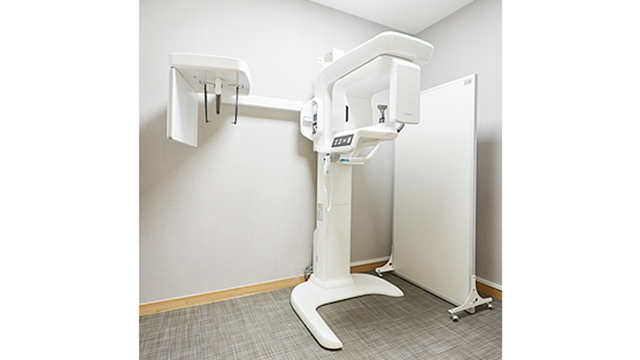
Wisdom tooth extraction at Magok Pureunmaeum Dental Clinic is planned using 3D-CT imaging to determine each tooth's position and angulation relative to the inferior alveolar nerve and the sinus, an approach intended to reduce the risk of nerve injury and to allow the surgeon to plan the least invasive surgical path available for the case. The clinic is a Registered Medical Institution for Attracting Foreign Patients, certified by Korea's Ministry of Health and Welfare under the Medical Overseas Expansion and Foreign Patients Attraction Act, a government-administered registration and accountability framework that, as of March 2025, covers thousands of medical institutions nationwide and requires mandatory medical malpractice liability insurance for registered providers.
This approach is consistent with guidance from recognized authorities on wisdom tooth management. The American Association of Oral and Maxillofacial Surgeons (AAOMS) advises that a wisdom tooth generally warrants removal when it presents with dental pain, poor oral hygiene, infection, gum disease, cavities, cysts or other pathology, or damage to neighboring teeth — and identifies advanced imaging as part of properly assessing a wisdom tooth before deciding on treatment. The UK's National Health Service (NHS) similarly notes that dry socket, where the blood clot protecting the extraction site fails to form properly or is dislodged, is a recognized possible complication of wisdom tooth removal, which is why post-operative instructions around avoiding smoking, straws, and vigorous rinsing are given consistent emphasis during aftercare.
Precision in imaging matters directly to nerve safety in this procedure specifically because the roots of lower wisdom teeth frequently sit close to the inferior alveolar nerve, which runs through the jawbone. Seeing that relationship clearly in three dimensions before surgery — rather than estimating it from a two-dimensional X-ray alone — is one of the more consequential aspects of how risk is managed for this particular extraction, especially for international patients who may not have easy access to a follow-up visit once they return home.
The Bottom Line
- Wisdom tooth extraction removes third molars that are impacted, partially erupted, misaligned, or causing pain, infection, or crowding risk to neighboring teeth.
- At Magok Pureunmaeum Dental Clinic, the procedure is performed by Dr. Park Kyung Ran, a Fellow in Oral and Maxillofacial Surgery with residency, Master's, and Doctoral training from Yonsei University.
- Every case is planned using 3D-CT imaging to assess the tooth's position and proximity to the nerve before surgery, reducing the risk of nerve injury.
- Not every wisdom tooth needs removal — asymptomatic, fully erupted, disease-free teeth can sometimes be monitored instead.
- Careful aftercare in the first days, particularly avoiding smoking, straws, and vigorous rinsing, is central to preventing dry socket and supporting a smooth recovery.
Frequently Asked Questions
How do I know if my wisdom tooth needs to be extracted? A wisdom tooth generally needs extraction if it is impacted, partially erupted and prone to infection, causing pain, or positioned in a way that risks damaging a neighboring tooth. This is confirmed through a clinical exam and 3D-CT or panoramic imaging, since not every wisdom tooth requires removal.
What kind of anesthesia is used for this procedure? Local anesthesia is standard for wisdom tooth extraction. Sedation or general anesthesia is available for more complex impactions or for patients who feel especially anxious, and this option is discussed individually during consultation.
How long does the extraction itself take? The procedure typically takes 20 to 60 minutes, depending on how many teeth are being removed and how complex the impaction is.
What is dry socket, and how can I avoid it? Dry socket occurs when the blood clot protecting the extraction site is dislodged or fails to form properly, which can cause increasing pain a few days after surgery. It is generally avoided by not smoking, not using straws, and avoiding vigorous rinsing in the days immediately following extraction.
How long is the recovery period? Swelling and discomfort typically peak in the first two to three days and then improve, with most patients returning to normal activity within about a week. Full healing of the gum tissue can take several weeks longer for more complex cases.
Is numbness after wisdom tooth extraction normal? Temporary numbness of the lip, tongue, or chin can occur if the tooth was close to a nerve, and it typically resolves on its own. This risk is one of the reasons 3D-CT imaging is used beforehand to map the tooth's position relative to the nerve.
Do all four wisdom teeth need to be removed at once? Not necessarily. Whether one, two, or all four wisdom teeth are extracted depends on the individual case — how many are impacted or symptomatic, and how each one is positioned. This is determined during consultation and imaging review rather than as a fixed rule.
Can international patients have this procedure done at the clinic? Yes. Magok Pureunmaeum Dental Clinic is a Registered Medical Institution for Attracting Foreign Patients, certified by Korea's Ministry of Health and Welfare, and international patients go through the same imaging, surgical planning, and aftercare process as local patients.
Book a Consultation at Magok Pureunmaeum Dental Clinic
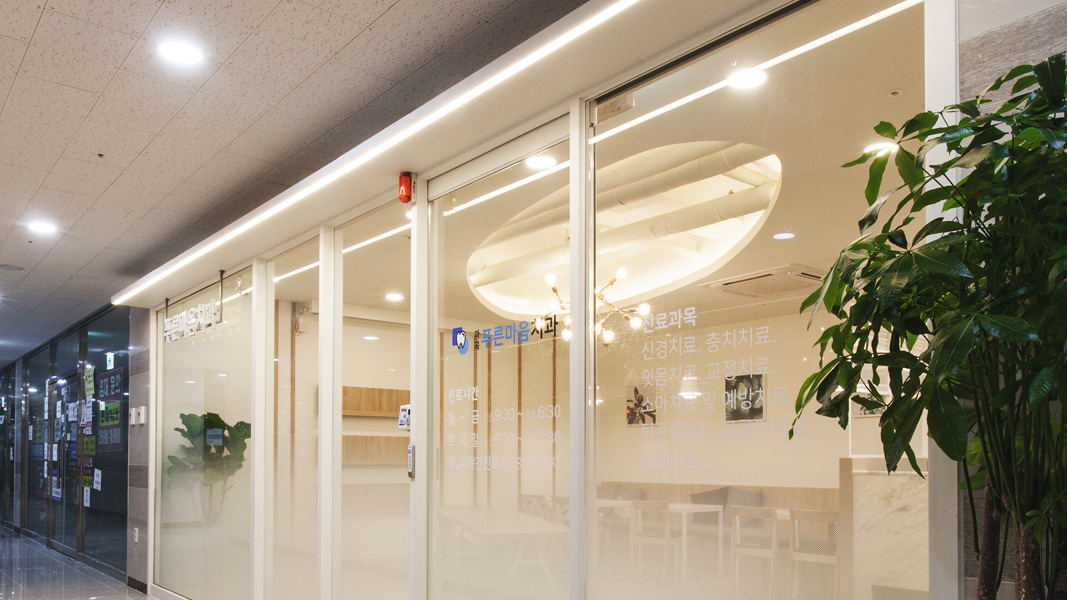
To find out whether your wisdom tooth needs to be extracted or can be safely monitored, schedule a consultation at Magok Pureunmaeum Dental Clinic in Seoul. The clinic is located on the 3rd Floor, Woosung SB Tower, 385 Gangseo-ro, Gangseo-gu, Seoul, near Exit 2 of Balsan Station, and is open Monday, Wednesday, Thursday, and Friday from 9:30 AM to 6:30 PM, Tuesday from 9:30 AM to 8:30 PM, and Saturday from 9:30 AM to 2:00 PM, with no lunch break; the clinic is closed Sundays and public holidays. To arrange an appointment, visit the clinic's contact page.
Disclaimer
This page is for general informational purposes and does not constitute individualized medical advice. Candidacy, technique, and expected outcomes can only be determined through a consultation with a qualified physician.
Sources & Further Reading
Other Services
Explore additional treatments offered by our specialists.

Standard Implants
A standard dental implant surgically embeds a titanium fixture into the jawbone to replace a missing tooth root, then secures a custom-fitted crown on top through an intermediate abutment.
Learn More
Single-Visit Root Canal Treatment
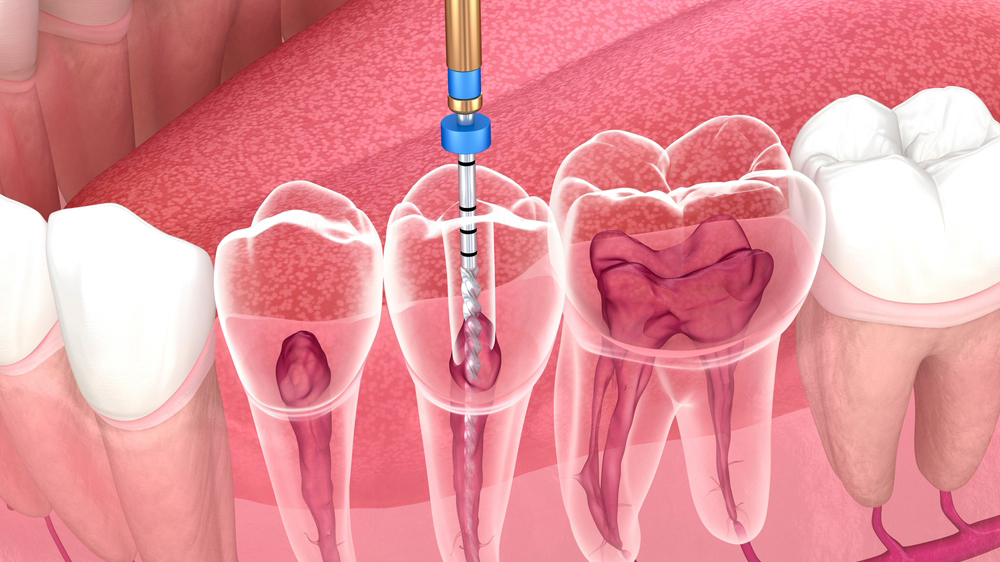
Single-visit root canal treatment is a procedure that removes infected or inflamed pulp tissue from inside a tooth and seals the resulting root canal system, completed within one appointment rather than staged across multiple visits.
Learn More
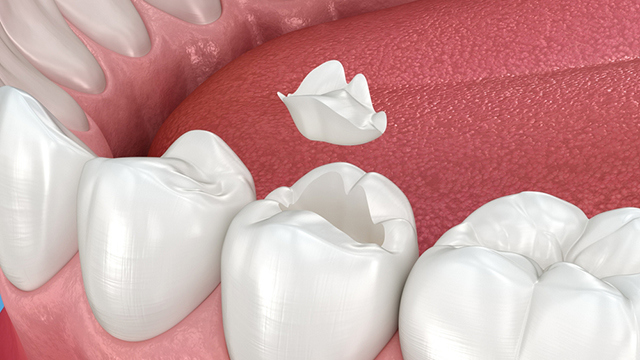
Inlay Restoration
An inlay restoration fits a custom-fabricated piece precisely within the central area between a tooth's cusps, repairing moderate decay or damage without covering the cusps themselves or the whole tooth.
Learn More