Personalized Medical Care & Dedicated International Patient Concierge


Dental Implants · Needs Clinic Confirmation
Standard Implants
A standard dental implant surgically embeds a titanium fixture into the jawbone to replace a missing tooth root, then secures a custom-fitted crown on top through an intermediate abutment.
Schedule a ConsultationStandard Implants
Medically reviewed by Dr. Park Kyung Ran, Specialist in Oral and Maxillofacial Surgery, Magok Pureunmaeum Dental Clinic, Seoul
Standard dental implants surgically embed an artificial titanium fixture into the jawbone to replace a missing tooth root, then secure a natural-looking prosthetic crown on top through a custom-designed connecting abutment. For patients comparing standard dental implants Seoul clinics offer, or researching a tooth implant Korea more broadly, this is the core implant procedure most people picture when they think of implant treatment: a titanium root, a connector, and a crown, planned around the individual patient's jawbone anatomy. At Magok Pureunmaeum Dental Clinic, standard implant treatment is planned using 3D CT digital imaging and delivered by an implant dentist Seoul patients can consult as part of the clinic's broader tooth-preservation-first approach to dental care.
Tooth loss from severe decay, trauma, or age-related wear affects normal chewing function and, left unaddressed, can change the position of neighboring teeth over time. Standard implant placement is aimed at resolving that functional gap directly — replacing both the root and the visible tooth structure with a fixture and crown designed to work together as a single, stable unit.
"Standard" in this context describes the baseline treatment pathway rather than a lesser option: it is the procedure used when a patient's jawbone already has the density and volume needed to support an implant without additional preparation. Patients whose bone has eroded or thinned are instead guided toward bone grafting or a sinus lift first, so that the implant they eventually receive is placed onto an adequately prepared foundation rather than a compromised one.
What Is a Standard Dental Implant?
A standard dental implant surgically embeds a titanium fixture into the jawbone to replace a missing tooth root, then secures a custom-fitted crown on top through an intermediate abutment. It is the base-case implant procedure at this clinic, used when a patient's jawbone has adequate density and volume to support a fixture without additional preparation.
- The titanium fixture is inserted into the jawbone at the site of the missing tooth, where it is intended to integrate with the surrounding bone.
- A customized connecting abutment attaches to the healed fixture and is shaped to the individual contour of the patient's gum line.
- The final dental crown is placed on the abutment to complete the visible, functioning tooth.
- Diagnostic imaging — a digital panoramic X-ray combined with a 3D CT scan — analyzes bone depth, angle, and quality, along with the position of neighboring anatomical structures, before surgery.
- Local anesthesia is commonly used during placement, with additional sedation considered depending on the patient and the specific procedure.
Because the fixture, abutment, and crown are three separate components that must work together, the fit between them determines how evenly chewing force is distributed once the restoration is complete. A standard implant that is well planned from digital imaging and fitted with a custom abutment is designed to function, in daily use, much like the natural tooth it replaces.
Titanium is used for the fixture specifically because it is well tolerated by the surrounding bone and soft tissue, allowing the jawbone to integrate around it over the healing period rather than treating it as a foreign object to be walled off. That integration is what ultimately gives a standard implant its stability under everyday chewing load — a mechanical outcome that depends as much on precise surgical placement as it does on the fixture material itself.
Who Performs Standard Implant Placement at Magok Pureunmaeum Dental Clinic

Dr. Park Gyeong-ran
Board-certified Oral & Maxillofacial Surgeon
Standard implant placement at Magok Pureunmaeum Dental Clinic is performed by Dr. Park Kyung Ran, Specialist in Oral and Maxillofacial Surgery. Dr. Park graduated from Yonsei University College of Dentistry and completed a formal internship and residency at Yonsei University Dental Hospital in the Department of Oral and Maxillofacial Surgery, the surgical discipline that covers procedures involving the jawbone and the anatomical structures — nerves, blood vessels, and the sinus in upper-jaw cases — that a dental implant is placed near.
Dr. Park went on to complete both Master's and Doctoral programs in Oral and Maxillofacial Surgery and holds Fellow status in the field, in addition to Senior Board-Certified Membership in the Korean Association of Maxillofacial Plastic and Reconstructive Surgeons. For standard implant placement specifically, this training translates into a precise reading of the 3D CT scan before surgery — evaluating bone depth, angle, and quality at the exact site of placement — so that the fixture can be positioned to maximize long-term stability rather than placed by generalized estimation.
Standard Implant Timing: Immediate vs. Staged Placement
Depending on a patient's individual jaw condition, standard implant placement at this clinic can proceed on different timelines:
- Immediate or same-day options, where bone conditions allow the fixture to be placed without an extended waiting period.
- Staged placement over multiple visits, used when the tooth's condition, healing needs, or bone integration require the process to be spread across separate appointments.
Which timeline applies to a given patient is determined by the 3D CT evaluation of jawbone density and structure at the consultation, rather than assumed in advance. A patient should treat the immediate option as a possibility to discuss with the dentist rather than a guarantee to request, since the safest timeline depends on that patient's actual bone condition.
For patients traveling to Seoul specifically for treatment, this distinction matters practically as well as clinically: an immediate-timeline case can sometimes be scheduled around a shorter visit, while a staged case requires planning for a return trip, or coordinating the healing period with the patient's travel schedule from the outset.
Who Is a Good Candidate for a Standard Implant?
- Patients missing one or more teeth who need a permanent restoration rather than a removable option.
- Patients who need full-arch or multi-tooth replacement, where several standard implants may be planned together.
- Patients with preserved jawbone density at the site of the missing tooth, since this is what allows a fixture to be placed without additional bone preparation.
Standard implant placement is generally not suitable without further preparation for patients with severe jawbone atrophy, since insufficient bone volume affects how well a fixture can integrate. Patients with congenital bone deficits may also not be candidates for immediate standard placement. In both situations, this does not exclude a patient from implant treatment altogether — it means bone-graft intervention is considered first, so the implant can be placed onto an adequately prepared foundation.
Patients who are unsure which category applies to them do not need to self-diagnose before booking a consultation. Bone density and volume are precisely what the 3D CT scan is designed to measure, and it is common for a patient to arrive uncertain about whether they need standard placement or preparatory grafting and leave the consultation with a clear, imaging-based answer.
What to Expect: Procedure, Recovery, and Results Timeline
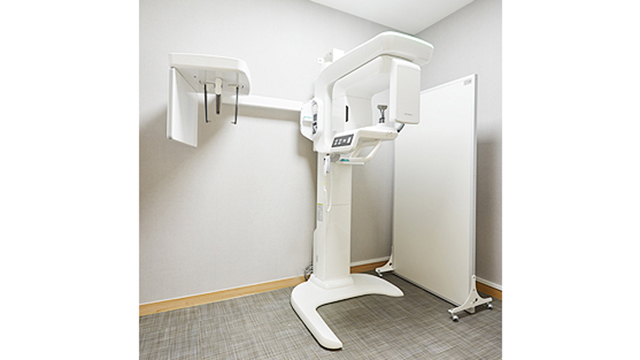
Standard implant placement at Magok Pureunmaeum Dental Clinic follows a defined sequence from diagnosis through final restoration.
- Diagnostic scans — a digital panoramic X-ray and a 3D CT scan — establish the optimal placement parameters: bone depth, angle, quality, and the position of nearby anatomical structures.
- The dentist surgically inserts the titanium fixture into the jawbone at the planned position.
- A healing period follows, during which the fixture integrates with the surrounding bone.
- A customized connecting abutment, shaped to the patient's gum contour, is attached to the healed fixture.
- The final dental crown is placed, completing the restoration.
Stage | What happens | Typical timing |
|---|---|---|
Diagnostic imaging | Panoramic X-ray and 3D CT scan establish placement plan | Consultation |
Fixture placement | Titanium implant surgically inserted into the jawbone | Same day as extraction (if eligible) or as a planned procedure |
Bone integration | Healing period for fixture to stabilize in bone | Several months in most cases |
Abutment attachment | Custom abutment connected to the healed fixture | After confirmed integration |
Final crown | Prosthetic crown placed on the abutment | Final restoration stage |
Initial healing after fixture placement generally needs to be followed by several months of bone integration before the abutment and final crown are attached, since the fixture depends on that integration for long-term stability. Overall treatment duration depends on the individual patient's jaw condition, ranging from single-day immediate options in favorable cases to multi-visit care spread over several months when bone conditions are more complex. Throughout this process, maintaining oral hygiene around the healing site and attending scheduled follow-up visits supports the fixture's integration and reduces the likelihood of complications during healing.
Combining Standard Implants with Other Treatments
Standard implant placement is often planned alongside other dental services at Magok Pureunmaeum Dental Clinic, particularly when a patient's overall dental condition calls for it:
- Bone grafting and sinus lift procedures, for patients whose jawbone does not currently have enough volume or height to support a standard implant without preparation.
- Periodontal treatment, for patients whose gum health needs to be addressed before or alongside implant placement.
- Custom abutment fabrication, used across implant cases at this clinic to reduce gaps between the crown and gum tissue that can otherwise trap food and cause irritation.
A patient beginning treatment for a single missing tooth may need only standard placement, while a patient with more complex bone or gum conditions may be guided through preparatory treatment first, all coordinated within a single treatment plan at the clinic.
Safety, Precision, and Clinic Standards

Magok Pureunmaeum Dental Clinic uses 3D CT digital diagnostic imaging together with digital panoramic X-rays for precise angle and depth placement of every standard implant, allowing the dentist to evaluate nerve position, blood vessels, adjacent root structures, and overall bone health before surgery rather than relying on estimation. The clinic's personalized, customized abutments are shaped to each patient's individual gum line, which is intended to eliminate the small gaps between gum and crown that standard, non-customized components can leave — gaps that are a recognized contributor to reduced chewing strength and peri-implant tissue inflammation over time. The clinic is a Registered Medical Institution for Attracting Foreign Patients, certified by Korea's Ministry of Health and Welfare under the Medical Overseas Expansion and Foreign Patients Attraction Act.
This approach aligns with the position of the American College of Prosthodontists, which describes implant therapy as a prosthodontic procedure with both radiographic and surgical components, where care should be dictated by individual patient needs as determined through diagnosis and treatment planning, and where the more complex the case, the more critical provider knowledge and imaging-based planning become to achieving a stable outcome. The American Academy of Implant Dentistry likewise notes that when performed by a trained, experienced implant dentist using appropriate technique and materials, implant surgery is one of the safest and most predictable procedures in dentistry.
Precision at the placement stage matters because a fixture set at the wrong angle, depth, or position can compromise the fit, function, or appearance of the final crown — and correcting a poorly placed implant is a more involved process than getting the initial placement right. Digital 3D CT planning is the clinic's primary safeguard against this outcome for every standard implant case.
This same precision extends into the restorative stage of treatment. Once a fixture has integrated with the bone, the accuracy of the customized abutment determines how the crown sits against the gum line — and an ill-fitting connection at this stage can leave a small gap that traps food and cement, a recognized contributor to inflammation around an otherwise well-placed implant. By fabricating each abutment to the individual patient's gum contour rather than selecting from a limited set of standard sizes, the clinic addresses this specific failure point directly rather than treating it as an unavoidable trade-off of implant treatment.
The Bottom Line
- A standard dental implant replaces a missing tooth root with a titanium fixture, restored with a custom abutment and crown.
- At Magok Pureunmaeum Dental Clinic, standard implants are placed by Dr. Park Kyung Ran, a Fellow in Oral and Maxillofacial Surgery with residency, Master's, and Doctoral-level surgical training.
- Timing ranges from immediate, same-day options to staged placement over multiple visits, determined by the patient's jawbone condition on 3D CT imaging.
- Good candidates have preserved jawbone density at the implant site; patients with significant bone loss are generally guided toward bone grafting first.
- Custom abutments and 3D CT-guided placement are used to reduce food impaction, tissue inflammation, and long-term complications.
Frequently Asked Questions
What does a standard dental implant replace? It replaces a missing tooth's root with a titanium fixture placed in the jawbone, along with the visible portion of the tooth through a custom abutment and crown attached on top.
Am I a good candidate for a standard implant? Good candidates generally have preserved jawbone density at the site of the missing tooth and need a permanent restoration for one or more missing teeth. Bone condition is confirmed through digital panoramic X-ray and 3D CT imaging at the consultation.
Can the implant be placed the same day as an extraction? In some cases, yes, when the patient's bone condition allows an immediate approach. Other cases require staged placement across multiple visits, and this determination is made from the 3D CT evaluation rather than assumed in advance.
How long does bone integration take? Bone integration generally needs several months before the final crown can be attached, though total treatment time varies by individual jaw condition, from single-day immediate options to multi-visit care over several months for more complex cases.
What if I don't have enough bone for a standard implant? Severe jawbone atrophy or congenital bone deficits may mean standard placement is not suitable without preparation first. Bone-graft intervention can build up the site so that a standard implant can be placed onto an adequately prepared foundation.
Why does this clinic use custom abutments? A customized abutment is shaped to each patient's individual gum contour, which is intended to eliminate the small gaps between crown and gum tissue that standard, non-customized components can leave — gaps that can trap food and contribute to inflammation and reduced durability over time.
What anesthesia is used for implant placement? Local anesthesia is commonly used for standard implant placement, with additional sedation considered depending on the individual patient and the specific procedure involved.
What aftercare does a standard implant need? Regular maintenance checkups are important for long-term stability, and patients should contact the clinic immediately if mobility, pain, or gum inflammation develops around the implant site.
Can several standard implants be placed for multiple missing teeth? Yes. When more than one tooth is missing, multiple standard implants can be planned together as part of a single treatment plan, with each fixture and abutment sized and positioned according to that patient's individual bone anatomy and the space available at each site.
Book a Consultation at Magok Pureunmaeum Dental Clinic
To find out whether a standard dental implant is the right option for your missing tooth, schedule a consultation at Magok Pureunmaeum Dental Clinic in Seoul. The clinic is located on the 3rd Floor, Woosung SB Tower, 385 Gangseo-ro, Gangseo-gu, Seoul, near Exit 2 of Balsan Station, and is open Monday, Wednesday, Thursday, and Friday from 9:30 AM to 6:30 PM, Tuesday from 9:30 AM to 8:30 PM, and Saturday from 9:30 AM to 2:00 PM, with no lunch break; the clinic is closed Sundays and public holidays. To arrange an appointment, visit the clinic's contact page.
Disclaimer
This page is for general informational purposes and does not constitute individualized medical advice. Candidacy, technique, and expected outcomes can only be determined through a consultation with a qualified physician.
Sources & Further Reading
Other Services
Explore additional treatments offered by our specialists.
Standard Implants
A standard dental implant surgically embeds a titanium fixture into the jawbone to replace a missing tooth root, then secures a custom-fitted crown on top through an intermediate abutment.
Learn More
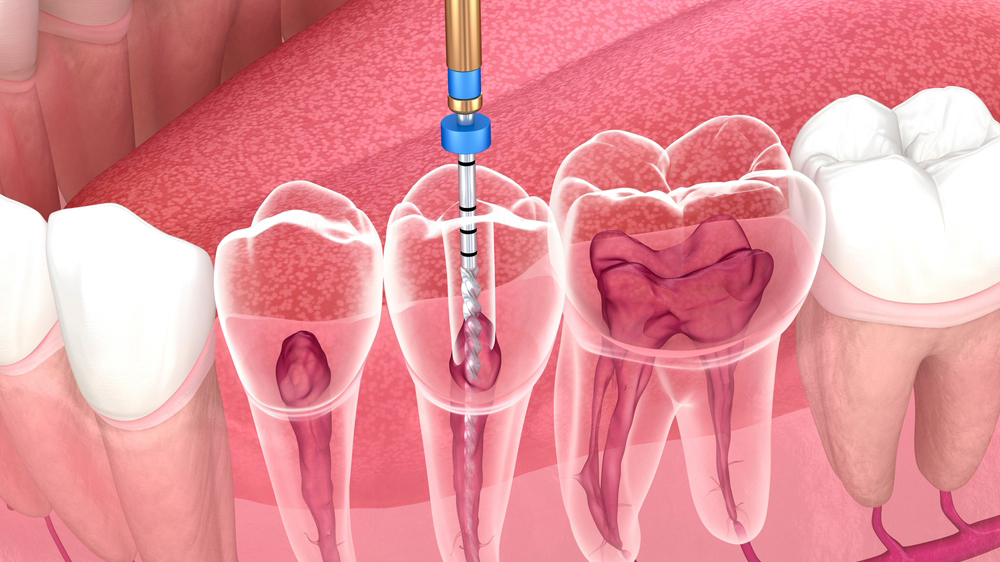
Single-Visit Root Canal Treatment
Single-visit root canal treatment is a procedure that removes infected or inflamed pulp tissue from inside a tooth and seals the resulting root canal system, completed within one appointment rather than staged across multiple visits.
Learn More
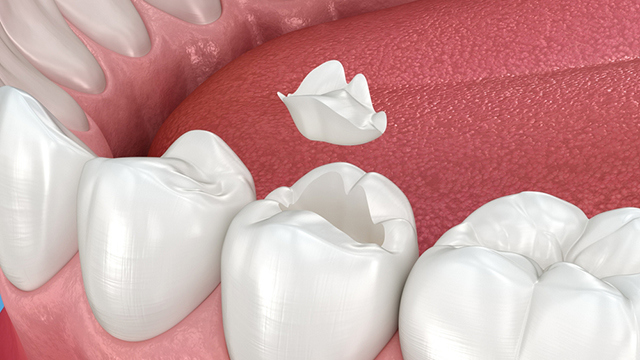
Inlay Restoration
An inlay restoration fits a custom-fabricated piece precisely within the central area between a tooth's cusps, repairing moderate decay or damage without covering the cusps themselves or the whole tooth.
Learn More