Personalized Medical Care & Dedicated International Patient Concierge


Periodontics (Gum Treatment) · Needs Clinic Confirmation
Periodontal Curettage
Periodontal curettage is a deep-cleaning procedure that removes inflamed tissue, bacteria, and calculus from the inner lining of the periodontal pocket and the root surface below the gumline, targeting the deeper inflammation that surface-level.
Schedule a ConsultationPeriodontal Curettage
Medically reviewed by Dr. Park Hyo Jin, Specialist in Conservative Dentistry / Director, Magok Pureunmaeum Dental Clinic, Seoul
Periodontal curettage is a deep-cleaning procedure that removes inflamed tissue, bacteria, and calculus from the inner lining of the periodontal pocket and the root surface below the gumline, targeting the deeper inflammation that surface-level scaling cannot reach. For patients researching periodontal curettage Seoul options, it is typically the next step when gum disease has progressed beyond mild gingivitis but has not yet advanced to the point of requiring surgery. At Magok Pureunmaeum Dental Clinic, this deeper level of gum disease treatment Korea patients seek is delivered within the clinic's broader natural-tooth-preservation philosophy, with the explicit goal of stopping periodontitis from progressing and preserving the natural tooth.
A periodontal pocket forms when gum tissue separates from the tooth as a result of ongoing inflammation, creating a space where bacteria and debris accumulate below the reach of a toothbrush and, in many cases, below the reach of standard scaling as well. Left untreated, that pocket tends to deepen over time as the bacteria inside it continue to irritate the surrounding tissue, which is why deep gum cleaning Korea providers offer is framed as a way to interrupt this cycle before it advances further. For an international patient exploring periodontitis treatment Seoul clinics offer, the practical goal of curettage is straightforward: clean out the source of ongoing inflammation so the gum tissue has a chance to reattach and heal.
Periodontal curettage sits between preventive scaling and surgical gum treatment in terms of invasiveness, which makes accurate diagnosis particularly important — treating a case that needs surgery with curettage alone, or performing curettage on a case that would have responded to simple scaling, both represent a mismatch between the diagnosis and the treatment. That is why pocket depth measurement and imaging are used before this procedure is recommended.
What Is Periodontal Curettage?
Periodontal curettage is a non-surgical deep-cleaning procedure that targets the inner lining of the periodontal pocket and the exposed root surface beneath the gumline, removing the inflamed tissue, bacteria, and calculus responsible for ongoing gum inflammation.
- The procedure targets tissue and calculus specifically inside the periodontal pocket, below where routine scaling reaches.
- It is generally indicated for moderate gum disease, where pockets have deepened to roughly 4 to 6 millimeters and the tissue has not responded adequately to scaling alone.
- Curettage is performed with specialized curettes, often supported by ultrasonic scalers, to physically remove diseased tissue and debris from the pocket.
- The technique specifically preserves surrounding healthy soft tissue while removing only the diseased pocket lining, supporting the tissue's ability to reattach to the tooth afterward.
- It is performed under local anesthesia, distinguishing it from routine scaling, which typically does not require anesthesia.
Because periodontal curettage works inside a space that is not visible without probing or imaging, the procedure depends heavily on an accurate pre-treatment assessment of pocket depth and the extent of bone involvement. That assessment is what determines whether curettage is likely to be sufficient or whether a more advanced periodontal condition requires a different level of care.
Who Performs Periodontal Curettage at Magok Pureunmaeum Dental Clinic

Dr. Park Hyo-jin
Conservative Dentistry Expert
Periodontal curettage at Magok Pureunmaeum Dental Clinic is delivered through the clinic's multi-specialist collaborative care model, overseen by Dr. Park Hyo Jin, Specialist in Conservative Dentistry and Director of the clinic, who brings more than 22 years of clinical experience to the practice. Rather than assigning periodontal curettage to a single named specialist, the clinic's collaborative team assesses each case using periodontal pocket depth probing, dental X-rays to evaluate bone loss, and a review of the patient's medical history before deciding that curettage, rather than scaling or surgery, is the appropriate treatment.
This collaborative structure is particularly relevant for periodontal curettage because moderate gum disease frequently coexists with other dental findings — a tooth with a deep filling near the gumline, or early bone loss around a specific tooth that also needs restorative evaluation. Dr. Park, as Director, oversees this coordination so that a periodontal curettage case is not managed in isolation from other findings that surface during the same diagnostic workup.
Who Is a Good Candidate for Periodontal Curettage?
- Patients with moderate gum disease where pockets have deepened to roughly 4 to 6 millimeters, identified through periodontal probing.
- Patients with persistent bleeding or inflammation that has not resolved after routine scaling.
- Patients with chronic bad breath linked to bacteria trapped within a periodontal pocket rather than surface plaque alone.
- Patients seeking to stop the progression of moderate periodontitis and preserve their natural teeth rather than risk further bone or tissue loss.
Periodontal curettage is not the appropriate treatment for every stage of gum disease. Patients with advanced periodontitis that requires open flap surgery to access deeper bone loss, patients with severe tooth mobility, and patients with uncontrolled systemic conditions such as severe diabetes or immune disorders generally need a different approach or medical stabilization before this procedure can be performed safely. Periodontal pocket depth probing, dental X-rays, and a review of medical history are used together to confirm that curettage — rather than a more conservative or more invasive treatment — is the right match for the individual case.
What to Expect: Procedure, Recovery, and Results Timeline
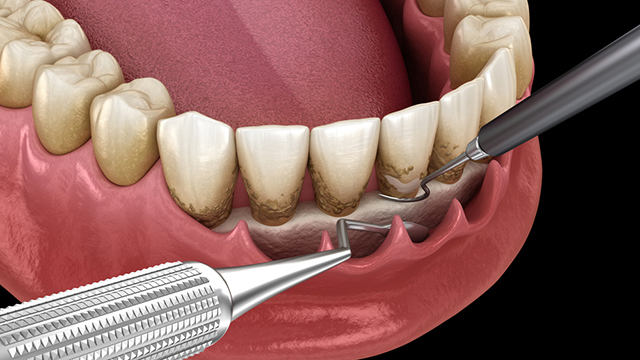
Periodontal curettage follows a defined three-part sequence, generally organized around the area of the mouth, or quadrant, being treated.
- Numbing — local anesthesia is administered around the target area, allowing the procedure to be performed without pain.
- Cleaning — specialized curettes and ultrasonic scalers are used to scrape away subgingival calculus and infected tissue from inside the periodontal pocket and along the root surface; a dental laser may be used for tissue decontamination when appropriate.
- Flushing — antiseptic rinses clear remaining debris and bacteria from the treated pocket before the appointment concludes.
Stage | What happens | Typical timing |
|---|---|---|
Assessment | Pocket depth probing, X-rays, medical history review | Prior visit or same-day evaluation |
Numbing | Local anesthesia around the target area | Start of the treatment visit |
Cleaning | Curette and ultrasonic removal of diseased tissue and calculus | About 30–60 minutes per quadrant |
Flushing | Antiseptic rinse of the treated pocket | End of the treatment visit |
Recovery | Tenderness eases, tissue reattaches | 2–3 days for tenderness, 1–2 weeks for full healing |
A typical appointment takes about 30 to 60 minutes per quadrant of the mouth, and the full treatment is usually completed in one to two visits depending on how many areas need attention. The procedure is performed under local anesthesia for a pain-free experience, and any mild soreness afterward can generally be managed with over-the-counter pain relief. Gum tenderness typically subsides within 2 to 3 days, and full soft-tissue healing generally occurs within 1 to 2 weeks.
Temporary tooth sensitivity, mild bleeding, slight gum recession, and temporary discomfort while healing are recognized and generally self-limiting effects of the procedure rather than signs that something has gone wrong. Improvement in gum health is often noticeable within about 2 weeks of treatment, though the long-term success of periodontal curettage depends substantially on what happens afterward — consistent daily oral hygiene combined with regular professional maintenance visits is what sustains the reduction in pocket depth and inflammation achieved during treatment.
Combining Periodontal Curettage with Other Treatments
Periodontal curettage is often one part of a broader periodontal treatment plan, and Magok Pureunmaeum Dental Clinic's collaborative model allows it to be paired with related care as needed.
- Scaling and root planing, frequently performed alongside curettage to smooth the root surfaces and further reduce bacterial buildup in the treated area.
- Antibiotic pocket therapy, for cases where localized antibiotic treatment supports the healing of a particularly inflamed pocket.
- Maintenance scaling, scheduled on a recurring basis after curettage to help sustain the improvement in gum health over time.
Because periodontal curettage addresses a specific, localized problem within the gum tissue, the clinic frequently builds it into a broader maintenance plan rather than treating it as a single standalone visit.
Safety, Precision, and Clinic Standards
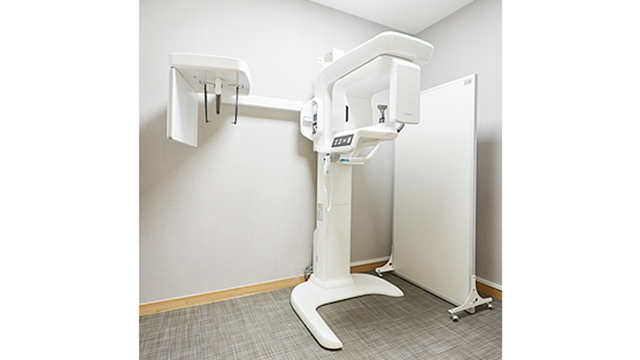
Magok Pureunmaeum Dental Clinic performs periodontal curettage using specialized curettes, ultrasonic scalers, and digital X-rays, with dental lasers available for tissue decontamination when the case calls for it, supported clinic-wide by 3D CT imaging and digital diagnostic systems that give the treating team a precise view of pocket depth and bone condition before treatment begins. The clinic is a Registered Medical Institution for Attracting Foreign Patients, certified by Korea's Ministry of Health and Welfare under the Medical Overseas Expansion and Foreign Patients Attraction Act, a designation reflecting government-recognized standards for the care of international patients.
This treatment approach is consistent with guidance from recognized dental health authorities on managing moderate gum disease. The American Dental Association's patient resource MouthHealthy explains that when the pockets between the gums and teeth become too deep for a professional cleaning alone to resolve, a deeper, non-surgical cleaning below the gumline may be needed, and that gum tissue is subsequently monitored to see whether pocket depth has been reduced or whether further treatment is required. The American Academy of Periodontology likewise identifies non-surgical treatments, including deep cleaning of the periodontal pocket, as a standard first-line approach for periodontitis before surgical options are considered.
The technique used during curettage — targeted removal of diseased pocket lining while deliberately preserving surrounding healthy soft tissue — is central to why this procedure supports tissue reattachment rather than simply cleaning the area. Precision in distinguishing diseased from healthy tissue is what allows the gum to have a chance at healing back against the tooth once the source of chronic inflammation has been removed, which is the clinical basis for expecting a reduction in pocket depth after treatment rather than only a temporary reduction in symptoms.
The Bottom Line
- Periodontal curettage is a non-surgical deep-cleaning procedure that removes inflamed tissue, bacteria, and calculus from inside the periodontal pocket and root surface, targeting moderate gum disease that scaling alone has not resolved.
- At Magok Pureunmaeum Dental Clinic, this procedure is delivered through a collaborative model overseen by Dr. Park Hyo Jin, based on pocket depth probing, X-rays, and medical history review.
- Good candidates have moderate gum disease with 4–6mm pockets, persistent bleeding after scaling, or chronic bad breath linked to a periodontal pocket; advanced cases needing surgery are treated differently.
- The procedure is performed under local anesthesia, takes about 30–60 minutes per quadrant, and is usually completed in one to two visits.
- It is an effective conservative treatment for halting the progression of moderate periodontitis and preserving natural teeth, provided it is paired with consistent home care and maintenance visits.
Frequently Asked Questions
How is periodontal curettage different from scaling? Scaling removes plaque and tartar from the tooth surface and just below the gumline, while periodontal curettage goes further, removing inflamed tissue and calculus from inside the periodontal pocket itself. Curettage is used when scaling alone has not resolved moderate gum disease.
Is periodontal curettage painful? The procedure is performed under local anesthesia, so it is designed to be pain-free during treatment. Mild soreness afterward is common and can generally be managed with over-the-counter pain relief.
How long does recovery take? Gum tenderness generally subsides within 2 to 3 days, and full soft-tissue healing typically occurs within 1 to 2 weeks. Improvement in gum health is often noticeable within about 2 weeks of treatment.
How many visits does periodontal curettage require? Most cases are completed in one to two visits, with each session addressing about 30 to 60 minutes of treatment per quadrant of the mouth, depending on how many areas need attention.
What happens if periodontal curettage isn't enough? If pocket depth has not sufficiently reduced or the disease has progressed to an advanced stage, a more involved treatment such as flap surgery may be needed to access deeper bone loss. This is determined at a follow-up visit that reassesses pocket depth after curettage.
Can international patients receive this treatment at the clinic? Yes. Magok Pureunmaeum Dental Clinic is a Registered Medical Institution for Attracting Foreign Patients, certified by Korea's Ministry of Health and Welfare, and international patients are evaluated and treated through the same diagnostic and treatment process used for local patients.
What can I do to support healing after treatment? Gentle brushing, warm salt-water or antiseptic mouth rinses, avoiding hot or spicy foods for about 48 hours, and avoiding smoking all support healing after periodontal curettage. Maintaining regular oral hygiene and any prescribed antibiotics as directed are also part of aftercare.
Will I need this procedure again in the future? Long-term success depends on daily oral hygiene and regular professional maintenance visits after the initial treatment. Patients who maintain consistent home care and attend follow-up cleanings are less likely to need repeat curettage in the same area.
Book a Consultation at Magok Pureunmaeum Dental Clinic
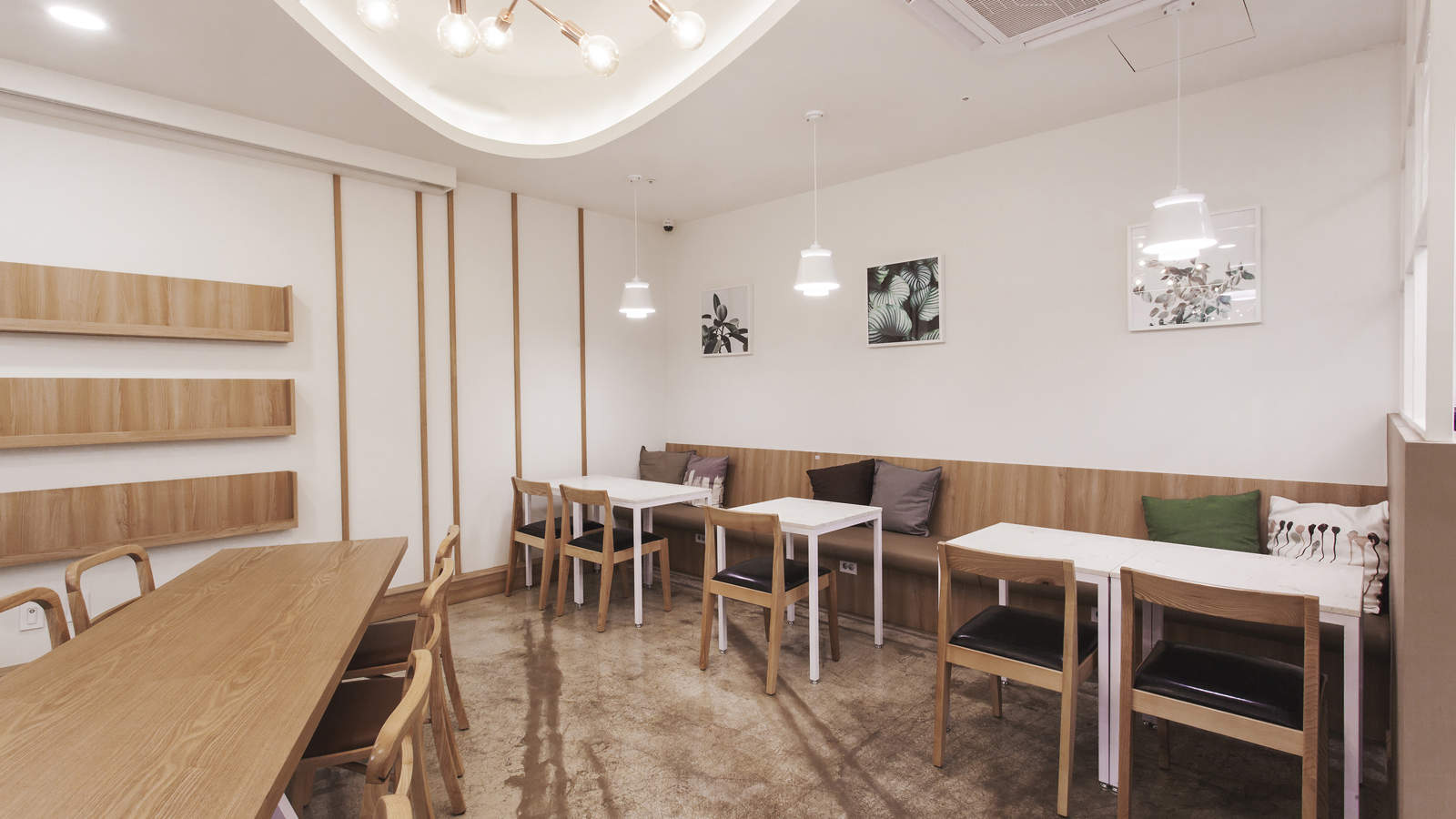
If scaling alone has not resolved persistent gum bleeding, inflammation, or bad breath, a periodontal evaluation at Magok Pureunmaeum Dental Clinic in Seoul can determine whether periodontal curettage is the right next step. The clinic is located on the 3rd Floor, Woosung SB Tower, 385 Gangseo-ro, Gangseo-gu, Seoul, near Exit 2 of Balsan Station, and is open Monday, Wednesday, Thursday, and Friday from 9:30 AM to 6:30 PM, Tuesday from 9:30 AM to 8:30 PM, and Saturday from 9:30 AM to 2:00 PM, with no lunch break; the clinic is closed Sundays and public holidays. To arrange an appointment, visit the clinic's contact page.
Disclaimer
This page is for general informational purposes and does not constitute individualized medical advice. Candidacy, technique, and expected outcomes can only be determined through a consultation with a qualified physician.
Sources & Further Reading
Other Services
Explore additional treatments offered by our specialists.
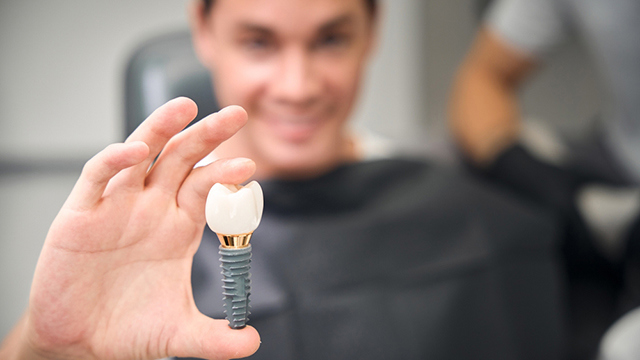
Standard Implants
A standard dental implant surgically embeds a titanium fixture into the jawbone to replace a missing tooth root, then secures a custom-fitted crown on top through an intermediate abutment.
Learn More
Single-Visit Root Canal Treatment
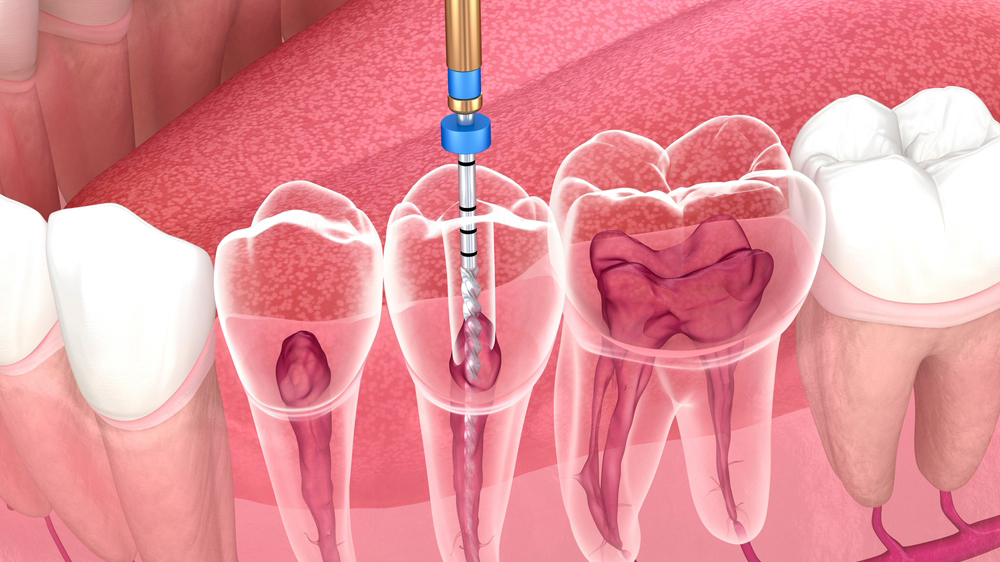
Single-visit root canal treatment is a procedure that removes infected or inflamed pulp tissue from inside a tooth and seals the resulting root canal system, completed within one appointment rather than staged across multiple visits.
Learn More
Inlay Restoration
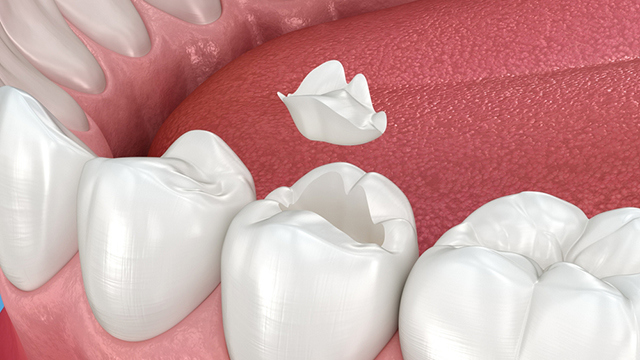
An inlay restoration fits a custom-fabricated piece precisely within the central area between a tooth's cusps, repairing moderate decay or damage without covering the cusps themselves or the whole tooth.
Learn More