Personalized Medical Care & Dedicated International Patient Concierge

Aesthetic Dentistry · Needs Clinic Confirmation
Gum Contouring
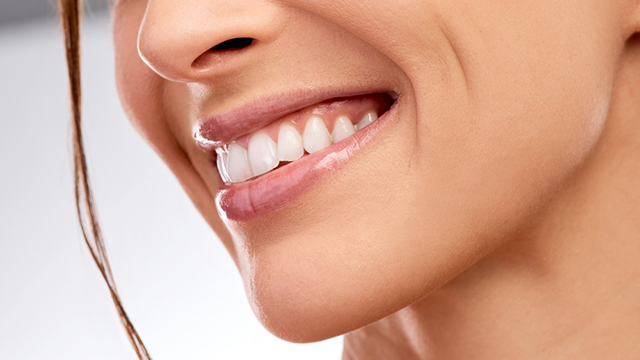
Gum contouring is a dental procedure that reshapes the gumline by removing excess or overgrown gingival tissue and sculpting the remaining gum tissue to achieve a more even, proportional relationship between the gums and teeth.
Schedule a ConsultationGum Contouring
Medically reviewed by Dr. Park Hyo Jin, Specialist in Conservative Dentistry / Director, Magok Pureunmaeum Dental Clinic, member of the Korean Academy of Esthetic Dentistry Magok Pureunmaeum Dental Clinic, Seoul
Gum contouring reshapes the gumline by removing or sculpting excess gingival tissue to create a more balanced relationship between the gums and teeth. For patients researching gum contouring Seoul options, this treatment is typically sought to address short-looking teeth caused by excess gum coverage, swollen-looking gums, or an uneven or asymmetrical gumline. At Magok Pureunmaeum Dental Clinic, gum contouring is offered as part of the clinic's aesthetic dentistry services and is planned only after the surrounding periodontal health has been assessed.
Patients searching for a gummy smile dentist Seoul clinics can offer are often dealing with a smile where the teeth look shorter or more "boxy" than they would otherwise, simply because more gum tissue is visible than the tooth-to-gum proportion calls for. Reshaping or lifting the gumline in these cases exposes more of the natural tooth surface, aiming for a more balanced symmetry and a cleaner, more proportional smile.
For someone comparing gum reshaping Korea providers, or researching gingivectomy Seoul options specifically, it helps to understand that gum contouring and gum grafting address two different clinical problems: gum contouring removes or reshapes excess gum tissue that is covering too much of the tooth, while gum grafting addresses the opposite situation — gum recession or insufficient tissue. These are not interchangeable procedures, and the appropriate treatment depends on which condition is actually present.
What Is Gum Contouring?
Gum contouring is a dental procedure that reshapes the gumline by removing excess or overgrown gingival tissue and sculpting the remaining gum tissue to achieve a more even, proportional relationship between the gums and teeth.
- It is generally used to address a gummy smile caused by excess gum coverage, teeth that look short because too much gum tissue is visible, swollen-looking gums, or an uneven or asymmetrical gumline.
- Simple gum reshaping — removing and smoothing excess tissue without touching the underlying bone — can typically be performed with relatively little bleeding or discomfort compared with procedures that also involve bone.
- In some cases, the underlying bone also needs to be reshaped alongside the gum tissue, a step known as esthetic crown lengthening, which is a more involved procedure than gum reshaping alone.
- Gum contouring is a different clinical procedure from gum grafting, which addresses gum recession and insufficient tissue rather than excess tissue.
- Results are visible essentially immediately after the tissue is reshaped, though initial swelling can temporarily affect how the outcome looks before healing is complete.
Because gum contouring involves an irreversible removal of tissue, an accurate assessment of the cause of the excess gum display matters before treatment begins. A gummy smile is not always caused by excess gum tissue alone — it can also be influenced by lip position, jaw position, or tooth position — and in those cases, gum contouring alone may not fully address the concern, which is why the underlying cause is evaluated during the consultation rather than assumed.
Who Performs Gum Contouring at Magok Pureunmaeum Dental Clinic

Dr. Park Hyo-jin
Conservative Dentistry Expert
Gum contouring at Magok Pureunmaeum Dental Clinic is performed by Dr. Park Hyo Jin, Specialist in Conservative Dentistry and Director of the clinic, who brings more than 22 years of clinical experience to aesthetic dentistry procedures including gum reshaping. Dr. Park holds a Master's Degree in Dentistry from Wonkwang University Graduate School and is a full member of the Korean Academy of Esthetic Dentistry, alongside the Korean Academy of Conservative Dentistry and the Korean Academy of Endodontics.
Because gum contouring sits at the boundary between periodontal tissue and the visible tooth structure it exposes, Dr. Park's combined background in conservative dentistry and esthetic dentistry is directly relevant to planning the final gumline: the goal is a result that is both periodontally sound and visually balanced with the width, length, and proportions of the surrounding teeth. This dual perspective is part of why the assessment before gum contouring considers not just how much tissue to remove, but how that change will look once healing is complete and how it interacts with the appearance of the teeth themselves.
Who Is a Good Candidate for Gum Contouring?
- Patients with healthy or adequately controlled periodontal tissue who have excess gingiva, an uneven gumline, or a gummy smile caused by excess gum coverage.
- Patients with realistic expectations about the outcome and sufficient underlying tooth structure to support the planned change to the gumline.
- Patients whose gum and periodontal health has been assessed and confirmed to be stable enough for the procedure to be performed safely.
Gum contouring is generally not suitable for patients with uncontrolled periodontal disease or active infection, inadequate gum tissue, anatomy that would require bone removal that has not yet been assessed, or significant factors that increase healing risk. Patients whose gummy smile is caused mainly by lip position, jaw position, or tooth position rather than excess gum tissue may need a different treatment approach instead of, or in addition to, gum contouring. Candidacy is confirmed only after an examination of the gumline, tooth proportions, and periodontal health, since the appropriate approach — simple contouring versus a procedure that also involves the underlying bone — depends on the individual case.
What to Expect: Procedure, Recovery, and Results Timeline
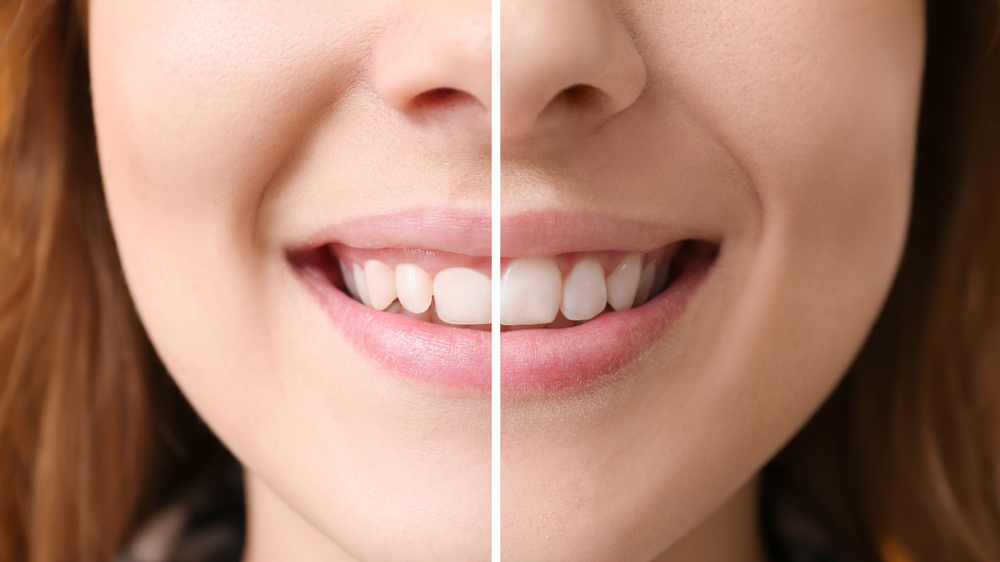
Gum contouring at Magok Pureunmaeum Dental Clinic generally follows a defined sequence.
- The dentist assesses the gumline, tooth proportions, and periodontal health, and evaluates the underlying cause of the excess gum display.
- A determination is made as to whether simple gum contouring is sufficient or whether additional crown-lengthening or bone reshaping is necessary.
- The area is numbed with local anesthesia; sedation may be used in selected cases.
- The desired new gumline is marked and assessed before any tissue is removed.
- Excess gingival tissue is removed.
- The remaining tissue is sculpted and smoothed to achieve the planned contour.
- Symmetry and proportions are checked against the surrounding teeth.
- Additional bone contouring or crown lengthening is performed if the assessment determined it was necessary.
- Postoperative instructions are given, and a review is scheduled.
Stage | What happens | Typical timing |
|---|---|---|
Consultation and assessment | Gumline, proportions, and periodontal health evaluated | Initial visit |
Anesthesia | Local anesthesia; sedation in selected cases | Start of procedure |
Tissue removal and sculpting | Excess gingiva removed and remaining tissue shaped | Same visit |
Additional bone work (if needed) | Bone contouring or crown lengthening | Same visit, when required |
Procedure duration | Depends on number of teeth and additional procedures | About 1–2 hours |
Recovery | Gum healing progresses; swelling and soreness manageable | About one week |
Gum contouring typically takes about one to two hours, depending on the number of teeth being treated and whether additional procedures such as crown lengthening are needed. After the procedure, mild soreness, swelling, and sensitivity are common and are generally managed with over-the-counter or prescribed medication as recommended.
Many patients are able to resume normal work or school activities within one to two days, while the gum tissue itself generally takes about one week to heal. Results are visible essentially immediately after the tissue is reshaped, although swelling in the first few days can temporarily affect how the final appearance looks; the outcome is easier to evaluate accurately once the tissue has fully healed.
Combining Gum Contouring with Other Treatments
Gum contouring is often planned alongside other aesthetic or restorative treatments, and Magok Pureunmaeum Dental Clinic offers related care that can be combined with a gum contouring plan when appropriate:
- Aesthetic Prosthetics, such as veneers or crowns, often planned together with gum contouring as part of a broader smile design when both the gumline and tooth shape need adjustment.
- Periodontics, for patients whose gum disease needs to be treated before, or alongside, restorative work, since periodontal health is confirmed before gum contouring is performed.
- Teeth Whitening, for patients who want to address tooth color as part of the same overall smile-improvement plan.
Combining gingival contouring with crown lengthening is also common when the assessment determines that both the gum tissue and the underlying bone need to be addressed to achieve a stable, proportional result.
Safety, Precision, and Clinic Standards
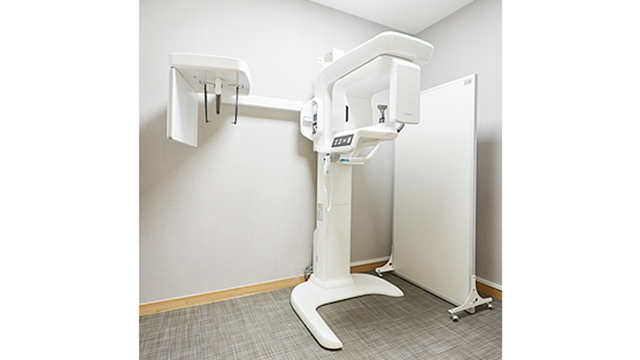
Magok Pureunmaeum Dental Clinic uses 3D CT imaging and digital diagnostic systems clinic-wide, supporting an accurate pre-treatment assessment of gum, bone, and tooth proportions before a gum contouring plan is finalized. The clinic is a Registered Medical Institution for Attracting Foreign Patients, certified by Korea's Ministry of Health and Welfare under the Medical Overseas Expansion and Foreign Patients Attraction Act, a designation reflecting government-recognized standards for treating international patients.
Cleveland Clinic's patient-education resource on gum contouring notes that healing after the procedure generally takes one week or less for most people, and that most patients are able to return to work, school, and other routine activities within one to two days, while the gum tissue itself needs about a week to fully heal — a timeline consistent with what patients at this clinic are advised to expect. Cleveland Clinic also notes that gum contouring is considered a safe procedure when performed by a qualified provider, though not everyone qualifies, and that some patients may need additional treatments such as veneers or crowns to achieve their desired result. A related Cleveland Clinic resource on gingivectomy similarly describes gum reshaping procedures as generally safe, with complications considered rare when the procedure is properly diagnosed and performed.
These external references reflect the same emphasis this clinic places on assessment before treatment: confirming periodontal health, evaluating whether bone reshaping is needed, and setting realistic expectations about healing and final appearance before the gumline is altered.
The Bottom Line
- Gum contouring reshapes the gumline by removing or sculpting excess gum tissue to create a more balanced, proportional smile.
- At Magok Pureunmaeum Dental Clinic, this procedure is performed by Dr. Park Hyo Jin, a Conservative Dentistry specialist and member of the Korean Academy of Esthetic Dentistry.
- Good candidates have healthy or well-controlled periodontal tissue and a gummy smile or uneven gumline caused mainly by excess gum coverage.
- The procedure generally takes one to two hours, with gum healing taking about one week and most patients returning to normal activity within one to two days.
- Gum contouring is a different procedure from gum grafting, and it can be combined with aesthetic prosthetics, periodontics, or whitening as part of a broader treatment plan.
Frequently Asked Questions
What is the difference between gum contouring and gum grafting? Gum contouring removes or reshapes excess gum tissue that covers too much of the tooth, addressing a gummy smile or uneven gumline. Gum grafting addresses the opposite problem — gum recession or insufficient tissue. These are different procedures for different conditions, and the appropriate treatment depends on which one is present.
Is gum contouring painful? Local anesthesia is used to numb the treatment area, and sedation may be offered in selected cases. Mild soreness, swelling, and sensitivity are common afterward and are generally manageable with over-the-counter or prescribed pain medication.
How long does gum contouring take? The procedure generally takes about one to two hours, depending on the number of teeth being treated and whether additional procedures like crown lengthening are also needed.
How long is recovery? Gum tissue generally takes about one week to heal, and most patients are able to return to work or school within one to two days. Swelling and mild soreness in the first few days are a normal part of recovery.
Will I see results right away? Yes, the reshaped gumline is visible essentially immediately after the procedure, though swelling in the first few days can temporarily affect the appearance. The final result is easier to evaluate once healing is complete.
Do I need any additional procedures with gum contouring? In some cases, yes. If the assessment finds that the underlying bone also needs reshaping, a procedure called crown lengthening may be performed alongside gum contouring. Some patients also combine gum contouring with veneers or crowns for a broader smile design.
What if my gummy smile isn't caused by excess gum tissue? A gummy smile can also be influenced by lip position, jaw position, or tooth position. If the assessment finds that one of these factors is the main cause, a different treatment approach may be recommended instead of, or in addition to, gum contouring.
Can gum tissue grow back after contouring? It's possible for gum tissue to regrow in some cases, particularly if underlying bone that contributes to regrowth wasn't addressed during the original procedure. This is one reason the initial assessment evaluates whether bone reshaping is needed alongside the gum tissue itself.
Book a Consultation at Magok Pureunmaeum Dental Clinic
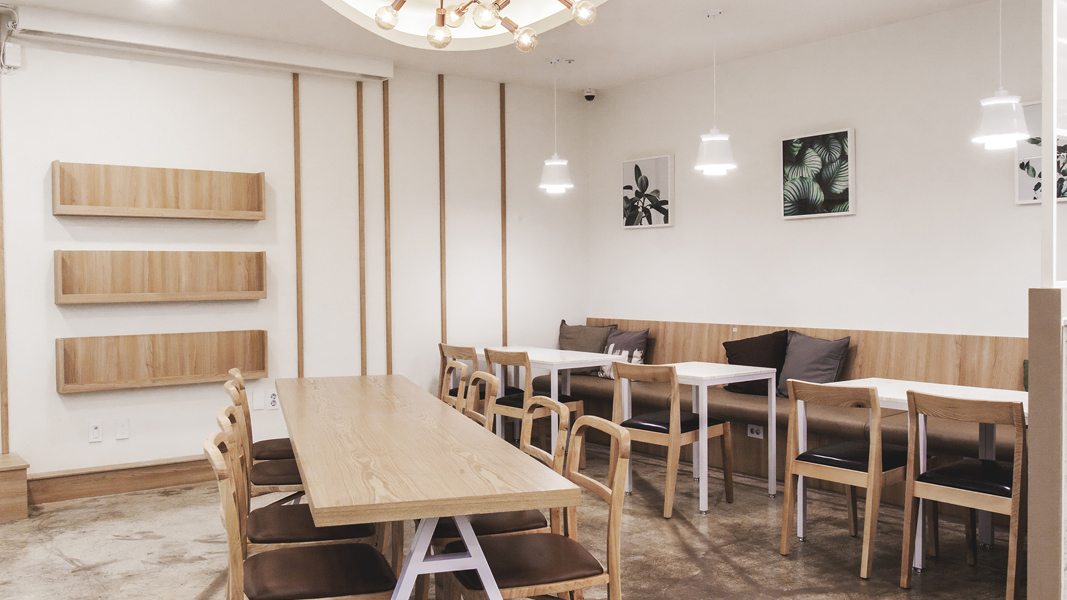
To find out whether gum contouring is the right option for your smile, schedule a consultation at Magok Pureunmaeum Dental Clinic in Seoul. The clinic is located on the 3rd Floor, Woosung SB Tower, 385 Gangseo-ro, Gangseo-gu, Seoul, near Exit 2 of Balsan Station, and is open Monday, Wednesday, Thursday, and Friday from 9:30 AM to 6:30 PM, Tuesday from 9:30 AM to 8:30 PM, and Saturday from 9:30 AM to 2:00 PM, with no lunch break; the clinic is closed Sundays and public holidays. To arrange an appointment, visit the clinic's contact page.
Disclaimer
This page is for general informational purposes and does not constitute individualized medical advice. Candidacy, technique, and expected outcomes can only be determined through a consultation with a qualified physician.
Sources & Further Reading
Other Services
Explore additional treatments offered by our specialists.

Standard Implants
A standard dental implant surgically embeds a titanium fixture into the jawbone to replace a missing tooth root, then secures a custom-fitted crown on top through an intermediate abutment.
Learn More
Single-Visit Root Canal Treatment
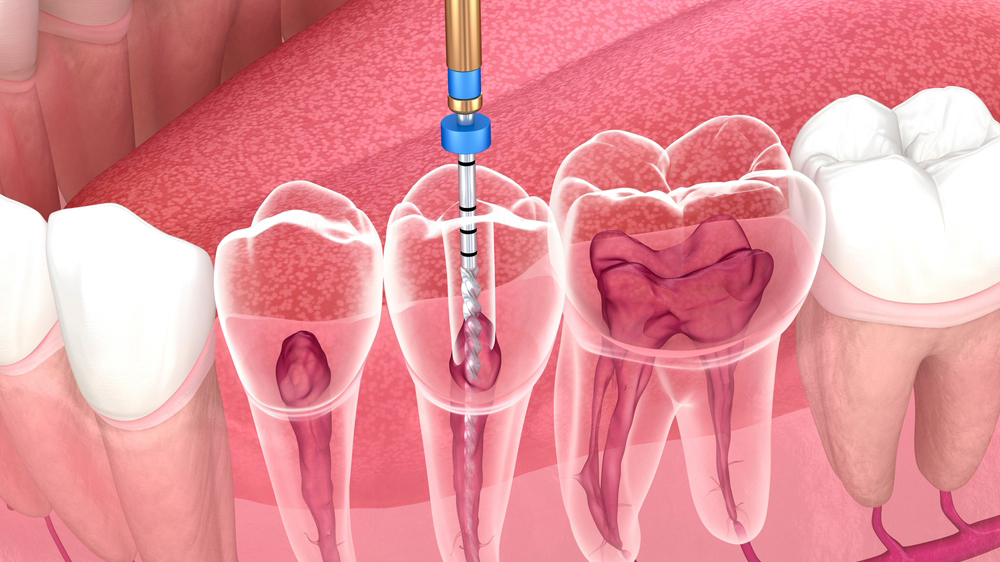
Single-visit root canal treatment is a procedure that removes infected or inflamed pulp tissue from inside a tooth and seals the resulting root canal system, completed within one appointment rather than staged across multiple visits.
Learn More
Inlay Restoration
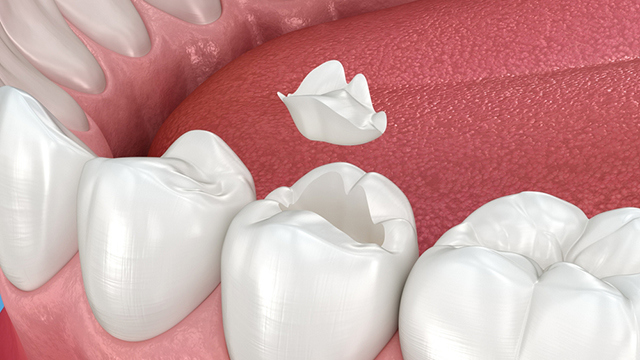
An inlay restoration fits a custom-fabricated piece precisely within the central area between a tooth's cusps, repairing moderate decay or damage without covering the cusps themselves or the whole tooth.
Learn More