Personalized Medical Care & Dedicated International Patient Concierge

Prosthetic Restoration · Needs Clinic Confirmation
Crown Restoration
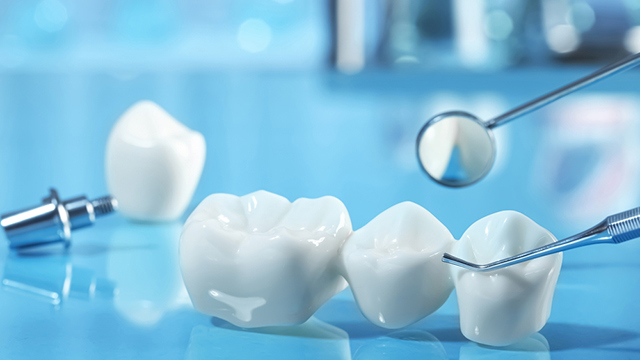
A crown restoration involves fitting a custom-fabricated cap over the entire visible portion of a tooth, restoring its shape, strength, and function after damage that is too extensive to be repaired with a smaller restoration.
Schedule a ConsultationCrown Restoration
Medically reviewed by Dr. Park Hyo Jin, Specialist in Conservative Dentistry / Director, Magok Pureunmaeum Dental Clinic, Seoul
A dental crown is a full-coverage, custom-fabricated restoration that caps an entire damaged or weakened tooth, restoring its shape, strength, and function when the damage is too extensive for a filling, inlay, or onlay to adequately repair. For patients considering a dental crown Seoul option, Magok Pureunmaeum Dental Clinic in Gangseo-gu treats crown restoration Korea cases as a way of protecting and preserving a natural tooth rather than a step toward removing it, using digital imaging to confirm a full-coverage crown — rather than a more conservative inlay or onlay — is genuinely the appropriate level of restoration before proceeding.
What Is Crown Restoration?
A crown restoration involves fitting a custom-fabricated cap over the entire visible portion of a tooth, restoring its shape, strength, and function after damage that is too extensive to be repaired with a smaller restoration.
- Crowns are used for teeth with large fractures, extensive decay, or significant structural weakening — for example, a tooth that has become brittle after root canal treatment.
- A crown provides full-coverage protection, which distinguishes it from an inlay or onlay, each of which covers only part of the tooth's surface.
- The tooth must have a viable, restorable root and enough remaining structure to anchor the crown; a crown is not a substitute for a healthy root.
- The restoration is custom-fabricated to fit the prepared tooth precisely, based on an impression or digital scan.
- A temporary crown protects the prepared tooth while the permanent, custom crown is being fabricated.
Who Performs Crown Restoration at Magok Pureunmaeum Dental Clinic

Dr. Park Hyo-jin
Conservative Dentistry Expert
Crown restoration at Magok Pureunmaeum Dental Clinic is provided by Dr. Park Hyo Jin, a Specialist in Conservative Dentistry and Director of the clinic with more than 22 years of clinical experience. Dr. Park holds a Master's Degree in Dentistry from Wonkwang University Graduate School and is a full member of the Korean Academy of Conservative Dentistry, the Korean Academy of Endodontics, the Korean Academy of Esthetic Dentistry, and the Minish Biomimetic Dentistry Society, and is a Certified Minish Provider. Because a tooth that needs a crown has often already been through significant damage or a prior root canal, deciding exactly how much of the tooth genuinely needs to be covered — rather than defaulting to the most extensive option — draws directly on the conservative-dentistry and endodontic training Dr. Park has built over more than two decades of practice. That same judgment determines whether a full crown is required or whether a less extensive inlay or onlay restoration would still adequately protect the tooth.
Crown Restoration in Context: When a Crown Is the Right Option
A crown is one of three prosthetic restoration options offered at this clinic, alongside inlays and onlays, and it sits at the most extensive end of that scale. Where an inlay fits within the cusps of a tooth and an onlay covers one or more cusps, a crown covers the tooth's entire visible surface. This makes it the appropriate choice specifically when damage is too extensive for the more conservative options — very large fractures, extensive decay, teeth weakened by a prior root canal, or a tooth that could not be reliably restored by only partially covering its surface.
Because a crown involves removing more of the tooth's own remaining structure during preparation than an inlay or onlay would, the clinic's exam and imaging step is used specifically to confirm that a crown, rather than a more conservative option, is genuinely warranted for a given tooth. If damage is present but is confined to the cusps or the chewing surface, an inlay or onlay may be sufficient and would preserve more of the natural tooth than a full crown — a judgment the clinic makes case by case rather than as a default recommendation.
Who Is a Good Candidate for Crown Restoration?
- Patients with a tooth that has a large fracture, extensive decay, or significant structural weakening, such as a tooth that has become brittle after root canal treatment.
- Patients whose tooth needs full-coverage protection because the damage extends across the tooth's surface rather than being confined to a smaller area.
- Patients with a viable, restorable root and enough remaining tooth structure to anchor a crown.
- Patients are generally not suitable candidates for crown restoration when the tooth's remaining structure is insufficient or the root itself is unsalvageable; these cases may instead require extraction and implant-based replacement.
What to Expect: Procedure, Recovery, and Results Timeline

Crown restoration begins with a clinical exam combined with digital X-ray and 3D-CT imaging, which assesses how much of the tooth's structure remains and confirms that a crown — rather than an inlay or onlay — is the appropriate level of restoration. Local anesthesia is used during tooth preparation, so decayed or damaged tissue can be removed and the tooth reshaped to receive the crown without discomfort during the procedure itself.
Stage | What Happens |
|---|---|
Exam and imaging | Digital X-ray and 3D-CT imaging assess remaining tooth structure and confirm a crown is appropriate |
Tissue removal | Decayed or damaged tooth tissue is removed |
Tooth shaping | The tooth is shaped to receive the crown |
Impression or scan | An impression or digital scan captures the prepared tooth for fabrication of the custom crown |
Temporary crown | A temporary crown protects the prepared tooth while the permanent crown is fabricated |
Fitting and cementation | The final crown is fitted, adjusted, and permanently cemented into place |
Because the permanent crown is custom-fabricated after the impression or scan is taken, crown restoration is expected to involve at least two appointments: an initial visit for the exam, tissue removal, shaping, impression or scan, and temporary crown placement, followed by a later visit once the permanent crown has been fabricated for fitting, adjustment, and cementation. Some sensitivity to temperature or pressure is common in the days following tooth preparation and again after final cementation, and this is expected to resolve on its own rather than persist. Recovery involves minimal downtime; crown restoration is not a surgical procedure and does not require an extended recovery period. Aftercare centers on maintaining good oral hygiene around the crowned tooth, avoiding excessive biting force — particularly on hard foods — in the period after cementation, and attending follow-up checkups so the clinic can confirm the crown is settling correctly.
Results are durable when the crown is properly maintained, though longevity depends on the crown material, the bite forces the tooth is subject to, ongoing oral hygiene, and regular checkups. A crown may eventually need replacement or repair, and in rare cases a crown can loosen or become dislodged, which is one of the reasons follow-up visits matter even once the restoration feels settled.
No specific outcome or exact lifespan can be promised for any individual crown in advance, since the tooth underneath continues to be a living structure subject to the same bite forces, hygiene habits, and wear as the rest of the mouth. What the clinic can control directly is the accuracy of the fit — achieved through digital X-ray and 3D-CT assessment before preparation and a custom impression or scan afterward — and the consistency of the follow-up schedule used to catch any early sign of loosening, sensitivity, or bite misalignment before it becomes a larger problem.
Combining Crown Restoration with Other Treatments
- Crown restoration frequently follows root canal therapy, since a tooth that has been treated endodontically is often brittle afterward and benefits from full-coverage protection to prevent fracture.
- It may be combined with periodontal treatment when the health of the gum tissue surrounding the crowned tooth also needs to be addressed before or alongside the restoration.
- For less extensive damage, an inlay or onlay may be considered instead of a crown, since either can preserve more of the natural tooth structure while still adequately restoring the damaged area — this alternative is weighed during the same exam and imaging step used to plan crown restoration.
- Where a neighboring tooth is missing or planned for an implant, crown restoration on an adjacent tooth can be coordinated with that implant plan so that the bite and appearance of both restorations are considered together rather than treated as separate, unrelated procedures.
Safety, Precision, and Clinic Standards

Crown restoration at Magok Pureunmaeum Dental Clinic relies on digital X-ray and 3D-CT imaging to assess remaining tooth structure before any preparation begins, and on digital scanning or a physical impression to fabricate a crown that fits the prepared tooth precisely. The clinic is a Registered Medical Institution for Attracting Foreign Patients, certified by Korea's Ministry of Health and Welfare under the Medical Overseas Expansion and Foreign Patients Attraction Act. The American Dental Association's MouthHealthy patient resource describes a crown as a tooth-shaped restoration that fits over an existing tooth, noting it can strengthen a tooth with a large filling when there is not enough tooth remaining to hold the filling, protect a weak tooth from breaking, or restore a tooth that is already broken — the same indications this clinic's exam and imaging step is used to confirm before recommending a crown. The American College of Prosthodontists similarly identifies crowns as appropriate for teeth with very large fillings, teeth that have had a root canal, fractured teeth, and worn teeth, while noting that a more conservative treatment such as an inlay or onlay may be indicated instead depending on the case — consistent with this clinic's practice of confirming the extent of damage through imaging before deciding on a full crown. Recognized risks of crown restoration include temporary sensitivity, a possible need for a bite adjustment, the likelihood that a crown will eventually need replacement or repair, and, rarely, crown loosening or dislodgement.
The Bottom Line
- A crown is a full-coverage, custom-fabricated restoration used when damage is too extensive for a filling, inlay, or onlay to adequately repair.
- Digital X-ray and 3D-CT imaging confirm that a crown, rather than a more conservative restoration, is genuinely appropriate before treatment proceeds.
- Dr. Park Hyo Jin, Specialist in Conservative Dentistry, brings more than 22 years of experience relevant to judging exactly how much of a tooth needs to be covered.
- Good candidates have a viable, restorable root and enough remaining tooth structure to anchor a crown; teeth with insufficient structure or an unsalvageable root may need extraction and implant-based replacement instead.
- Recovery involves minimal downtime, with temporary sensitivity common after preparation and cementation, though results depend on the crown material, bite forces, and ongoing oral hygiene.
Frequently Asked Questions
How do I know if I need a crown instead of a filling or onlay? The clinic determines this through a clinical exam combined with digital X-ray and 3D-CT imaging, which shows whether the damage is extensive enough to require full coverage or whether a more conservative option such as an inlay or onlay would still adequately restore the tooth.
Will getting a crown be painful? Local anesthesia is used during tooth preparation, so the procedure itself is not expected to be painful. Some sensitivity to temperature or pressure is common in the days following preparation and again after the permanent crown is cemented, and this typically resolves on its own.
How many appointments does crown restoration take? Crown restoration typically takes at least two appointments: an initial visit for the exam, tooth preparation, impression or scan, and temporary crown placement, and a later visit for fitting, adjustment, and permanent cementation once the custom crown has been fabricated.
Can a crown be placed on any damaged tooth? A crown requires a viable, restorable root and enough remaining tooth structure to anchor it. If a tooth's remaining structure is insufficient or the root itself is unsalvageable, extraction and implant-based replacement may be needed instead of a crown.
Why would I need a crown after a root canal? Root canal treatment removes infected or damaged tissue from inside the tooth, which can leave the remaining structure more brittle and prone to fracture. A crown placed afterward provides full-coverage protection that helps prevent that fracture from occurring.
What happens to the tooth while the permanent crown is being made? A temporary crown is placed over the prepared tooth to protect it while the permanent, custom-fabricated crown is being made, and is removed and replaced with the permanent crown at the follow-up appointment.
How long does a crown last? Longevity depends on the crown material, the bite forces the tooth experiences, the patient's oral hygiene, and whether regular checkups continue, so no single timeframe applies to every case; a crown may eventually need repair or replacement, and in rare cases can loosen or become dislodged.
Book a Consultation at Magok Pureunmaeum Dental Clinic
To find out whether a crown is the right restoration for your damaged tooth, book a consultation with Dr. Park Hyo Jin at Magok Pureunmaeum Dental Clinic in Seoul. The clinic's exam and 3D-CT imaging will confirm whether a full crown, or a more conservative inlay or onlay, best protects your tooth. Get in touch through the clinic's contact page to arrange your visit.
Disclaimer
This page is for general informational purposes and does not constitute individualized medical advice. Candidacy, technique, and expected outcomes can only be determined through a consultation with a qualified physician.
Sources & Further Reading
Other Services
Explore additional treatments offered by our specialists.

Standard Implants
A standard dental implant surgically embeds a titanium fixture into the jawbone to replace a missing tooth root, then secures a custom-fitted crown on top through an intermediate abutment.
Learn More
Single-Visit Root Canal Treatment
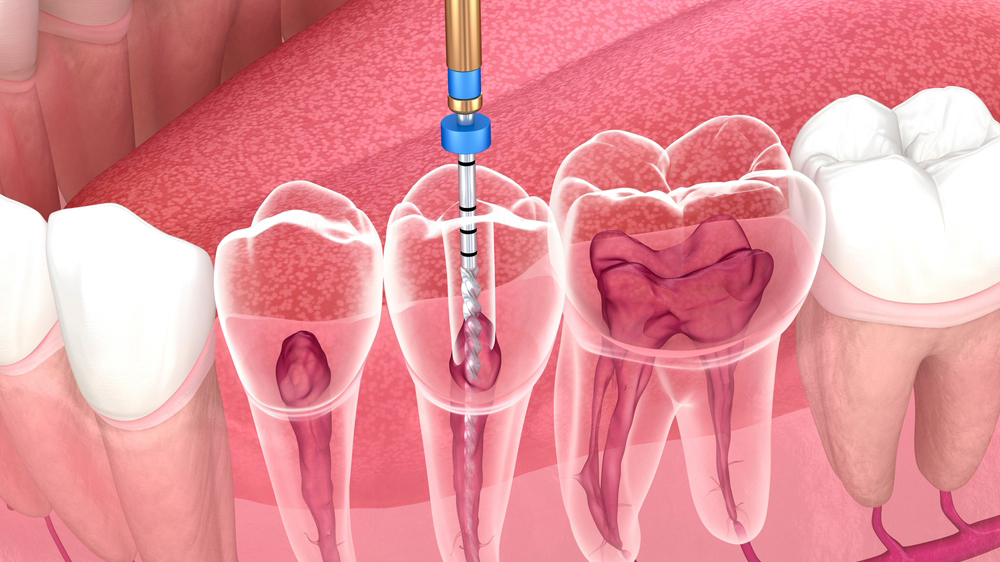
Single-visit root canal treatment is a procedure that removes infected or inflamed pulp tissue from inside a tooth and seals the resulting root canal system, completed within one appointment rather than staged across multiple visits.
Learn More
Inlay Restoration
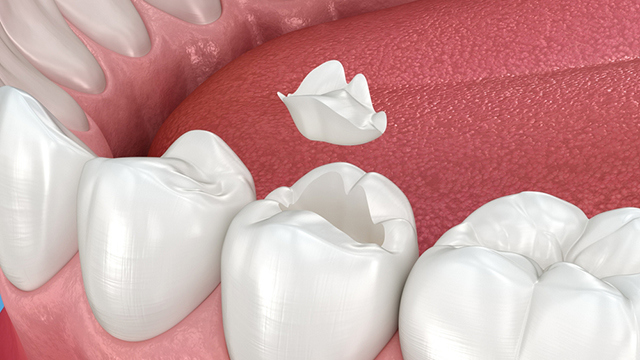
An inlay restoration fits a custom-fabricated piece precisely within the central area between a tooth's cusps, repairing moderate decay or damage without covering the cusps themselves or the whole tooth.
Learn More