Personalized Medical Care & Dedicated International Patient Concierge


Aesthetic Dentistry · Needs Clinic Confirmation
Aesthetic Prosthetics
Aesthetic prosthetics restore or improve the appearance and function of damaged, worn, missing, or cosmetically compromised teeth using crowns, veneers, bridges, or other prosthetic solutions.
Schedule a ConsultationAesthetic Prosthetics
Medically reviewed by Dr. Park Hyo Jin, Specialist in Conservative Dentistry / Director, Magok Pureunmaeum Dental Clinic, member of the Korean Academy of Esthetic Dentistry Magok Pureunmaeum Dental Clinic, Seoul
Aesthetic prosthetics restore or improve the appearance and function of damaged, worn, missing, or cosmetically compromised teeth using crowns, veneers, bridges, or other prosthetic solutions. For patients researching aesthetic prosthetics Seoul options, the goal is a restoration that looks natural next to the surrounding teeth while still functioning normally for biting and chewing. At Magok Pureunmaeum Dental Clinic, this service reflects the clinic's stated natural-tooth-preservation philosophy: prosthetic treatment is planned only when it is truly needed, and extraction is considered only after preservation options have been evaluated for the individual tooth.
Patients comparing cosmetic dental restoration Korea providers are often weighing more than one option for the same problem — a discolored tooth might be treated with a veneer, a crown, or in some cases a more conservative restoration, depending on how much of the tooth structure remains healthy. That is one reason a proper aesthetic prosthetics plan begins with an examination of the tooth's condition rather than a predetermined choice of restoration type.
For someone considering smile restoration Seoul services from abroad, the practical question is usually whether the clinic evaluates the whole picture — the tooth's structural condition, the surrounding bite, and the desired appearance — before recommending a specific type of prosthetic. At Magok Pureunmaeum Dental Clinic, that evaluation is built into the treatment planning process, since the appropriate prosthetic solution depends on the particular tooth and the patient's overall oral health.
What Is Aesthetic Prosthetics?
Aesthetic prosthetics is the restoration or improvement of the appearance and function of damaged, worn, missing, or cosmetically compromised teeth, using prosthetic solutions such as crowns, veneers, and bridges.
- Crowns, veneers, and bridges are among the general categories of prosthetic solutions used, each suited to different situations depending on how much of the natural tooth remains and what needs to be restored.
- Aesthetic prosthetics aims for a result that both functions normally — supporting biting and chewing — and blends visually with the surrounding natural teeth.
- Treatment planning depends on the specific condition of the tooth or teeth involved, since the appropriate prosthetic option varies by case.
- Some aesthetic prosthetics require removing a portion of the existing tooth structure to prepare it for the restoration, while others are less invasive, depending on the type selected.
- No prosthetic restoration is permanent in every case; longevity depends on the type of prosthesis, the patient's oral hygiene, bite forces, and ongoing care.
Because aesthetic prosthetics sits at the intersection of restorative and cosmetic dentistry, this clinic's approach reflects its broader philosophy toward tooth preservation: a prosthetic solution is selected to restore what the tooth actually needs, rather than defaulting to the most extensive restoration available. A tooth that can be adequately restored with a more conservative option is generally treated that way, reserving more extensive prosthetic solutions for teeth where the damage or cosmetic concern genuinely calls for them.
Who Performs Aesthetic Prosthetics at Magok Pureunmaeum Dental Clinic

Dr. Park Hyo-jin
Conservative Dentistry Expert
Aesthetic prosthetics at Magok Pureunmaeum Dental Clinic is planned and performed by Dr. Park Hyo Jin, Specialist in Conservative Dentistry and Director of the clinic, who brings more than 22 years of clinical experience to restorative and cosmetic prosthetic cases. Dr. Park holds a Master's Degree in Dentistry from Wonkwang University Graduate School and is a full member of the Korean Academy of Esthetic Dentistry, the Korean Academy of Conservative Dentistry, and the Korean Academy of Endodontics, and holds certification as a Minish Provider.
Because Dr. Park's specialty training centers on conservative dentistry — preserving as much healthy tooth structure as possible — aesthetic prosthetics cases at this clinic are approached with particular attention to how much of the natural tooth can be retained before a crown, veneer, or bridge is placed. This is directly relevant to prosthetic treatment, where the decision between a more conservative restoration and a more extensive prosthetic solution depends on an accurate, individualized read of the tooth's remaining structure.
Membership in the Korean Academy of Esthetic Dentistry additionally means these restorative decisions are made with the final visual outcome in view from the start, rather than as an afterthought once the prosthetic is fabricated. For patients seeking a restoration that both restores function and blends naturally into their smile, this combination of conservative and esthetic training shapes how the tooth is prepared, how the prosthetic is designed, and how the final fit and appearance are evaluated.
Aesthetic Prosthetics: General Categories at This Clinic
Aesthetic prosthetics broadly covers three general categories of restoration, each suited to a different clinical situation:
- Crowns, which cover the entire visible portion of a tooth and are generally used when a tooth has extensive damage, a large existing filling, or significant discoloration that a thinner restoration cannot address.
- Veneers, thin shells placed on the front surface of a tooth, generally used for discoloration, chips, gaps, or minor shape irregularities where the underlying tooth structure is otherwise sound.
- Bridges, which replace one or more missing teeth by anchoring a prosthetic tooth to the adjacent natural teeth or restorations.
Which category is appropriate for a given tooth is determined during the consultation and examination, based on the extent of damage, the amount of remaining healthy tooth structure, and the patient's aesthetic goals.
Who Is a Good Candidate for Aesthetic Prosthetics?
- Adults with damaged, discolored, worn, misshapen, or missing teeth who have adequate overall oral health and realistic expectations about the outcome.
- Patients seeking to improve the appearance of their smile while also restoring damaged or missing teeth to normal function.
- Patients whose bite and oral condition have been evaluated to confirm that a prosthetic solution is appropriate for the specific tooth or teeth involved.
Aesthetic prosthetics is generally not suitable as a first step for patients with untreated active infections, significant gum disease, or inadequate oral hygiene, since these conditions are typically addressed before a prosthetic restoration is planned; placing a crown, veneer, or bridge over an unhealthy tooth or gum can worsen the underlying problem. Candidacy for a specific type of prosthetic — crown, veneer, or bridge — is confirmed only after an examination of the tooth's condition, the surrounding bite, and the patient's overall oral health, since the appropriate option depends on the individual case.
What to Expect: Procedure, Recovery, and Results Timeline
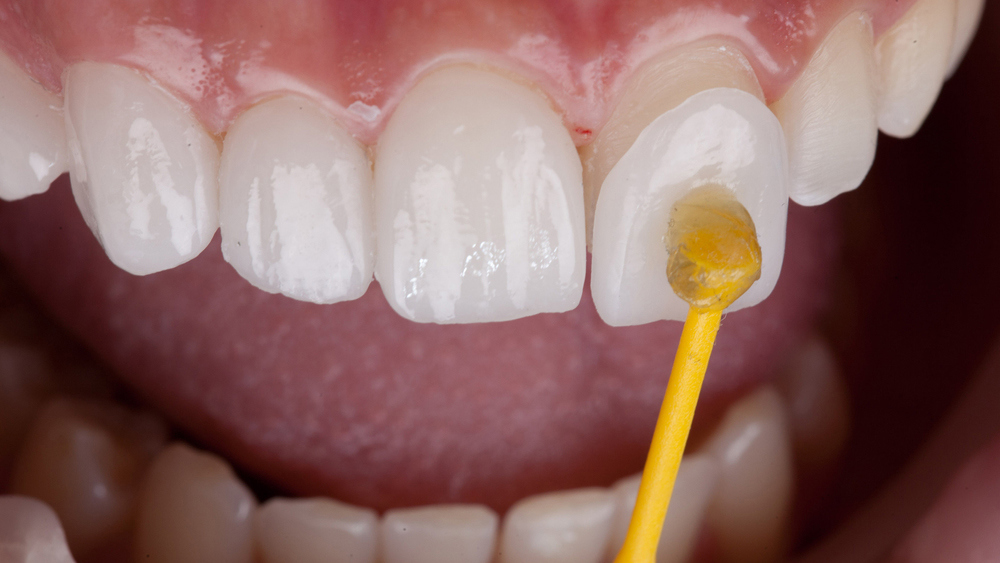
Aesthetic prosthetics treatment at Magok Pureunmaeum Dental Clinic generally follows a defined sequence, adapted to the specific type of prosthetic being placed.
- The dentist reviews the patient's history, examines the teeth and gums, and evaluates the bite and overall oral condition.
- X-rays, photographs, or digital scans are taken as needed to assess the tooth or teeth requiring treatment.
- A treatment plan is developed based on the patient's needs and goals, and the appropriate prosthetic option is selected.
- Tooth preparation is performed when the selected prosthetic requires it, with local anesthesia used as needed.
- Impressions or digital scans of the prepared tooth are taken to guide fabrication of the prosthetic.
- The prosthetic is fabricated and then fitted to the tooth.
- A final adjustment and evaluation confirm the fit, bite, and appearance of the completed restoration.
Stage | What happens | Typical timing |
|---|---|---|
Consultation and exam | History review, exam, bite and oral condition evaluation | Initial visit |
Diagnostics | X-rays, photographs, or digital scans as needed | Initial visit |
Treatment planning | Prosthetic option selected based on needs and goals | Same or follow-up visit |
Tooth preparation | Local anesthesia if needed, tooth prepared | Same visit as planning, in many cases |
Impressions and fabrication | Digital scans or impressions taken; prosthetic fabricated | Follow-up visit for fitting |
Fitting and final evaluation | Prosthetic fitted, adjusted, and evaluated | Fitting visit |
Local anesthesia is used when tooth preparation is needed, and the extent of anesthesia depends on how much preparation the selected prosthetic requires. Recovery varies by the type of restoration: some aesthetic prosthetics involve little to no downtime, while treatments involving more extensive tooth preparation can cause temporary sensitivity or discomfort as the tooth adjusts. Final results are assessed after the prosthetic is placed and any needed adjustments are made, and longevity afterward varies by the type of prosthesis, the patient's oral hygiene, the forces placed on it during biting and chewing, and ongoing dental care.
Combining Aesthetic Prosthetics with Other Treatments
Aesthetic prosthetics is often planned alongside other dental care, and Magok Pureunmaeum Dental Clinic offers related specialties that can be combined with a prosthetic treatment plan when appropriate:
- Conservative Dentistry, for teeth where a cavity or existing filling needs to be addressed before or as part of a prosthetic restoration.
- Periodontics, for patients whose gum health around a prospective crown, veneer, or bridge needs to be evaluated or stabilized first.
- Prosthetic Restoration, the clinic's broader restorative specialty for cases where a tooth's needs extend beyond an aesthetically focused crown, veneer, or bridge.
A patient being evaluated for aesthetic prosthetics at this clinic may be referred internally for a conservative, periodontal, or broader prosthetic restoration consultation as part of a single, coordinated treatment plan, without needing to seek that related care elsewhere.
Safety, Precision, and Clinic Standards
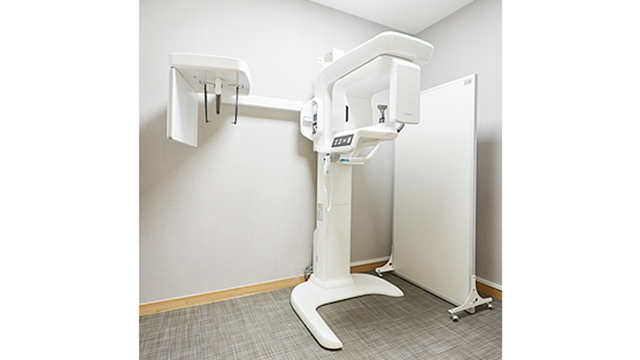
Magok Pureunmaeum Dental Clinic uses 3D CT imaging and digital diagnostic systems clinic-wide, supporting precise assessment of tooth structure, existing restorations, and bite relationships before a prosthetic treatment plan is finalized. The clinic is a Registered Medical Institution for Attracting Foreign Patients, certified by Korea's Ministry of Health and Welfare under the Medical Overseas Expansion and Foreign Patients Attraction Act, a designation reflecting government-recognized standards for treating international patients.
The American Dental Association's patient resource MouthHealthy describes a crown as a tooth-shaped restoration that fits over an existing tooth, used to strengthen a tooth with a large filling, protect a weak tooth from breaking, restore an already broken tooth, or cover a tooth that is discolored or badly shaped, and notes that tooth-colored crowns can be made from ceramic, porcelain, or composite resin to match surrounding teeth. Separately, MouthHealthy describes veneers as custom-made, tooth-colored coverings that can improve the appearance of teeth that are chipped, stained, or misshapen, while noting that veneer treatment is not reversible because a small amount of enamel is removed to place it, and that any existing dental issues such as decay or gum disease should be treated first, since placing a veneer over an unhealthy tooth can worsen the underlying problem.
That same principle — treating the tooth's underlying condition before placing a prosthetic, and matching the type of restoration to what the tooth actually needs — is reflected in this clinic's tooth-preservation-first approach to aesthetic prosthetics. Precision in imaging and diagnosis matters throughout this process, since decisions about how much of the natural tooth to remove during preparation are difficult to reverse once made.
The Bottom Line
- Aesthetic prosthetics restores or improves the appearance and function of damaged, worn, missing, or cosmetically compromised teeth using crowns, veneers, or bridges.
- At Magok Pureunmaeum Dental Clinic, this service is provided by Dr. Park Hyo Jin, a Conservative Dentistry specialist and member of the Korean Academy of Esthetic Dentistry.
- Good candidates have adequate oral health and realistic expectations; active infections or significant gum disease are generally addressed before treatment.
- The treatment sequence generally spans consultation, diagnostics, tooth preparation, fabrication, and a fitting visit, with local anesthesia used when preparation is needed.
- Longevity depends on the type of prosthesis, oral hygiene, bite forces, and ongoing care, and existing dental issues are treated first under the clinic's tooth-preservation philosophy.
Frequently Asked Questions
What is the difference between a crown, a veneer, and a bridge? A crown covers the entire visible portion of a tooth and is generally used for extensive damage or a large existing filling. A veneer covers only the front surface of a tooth and is generally used for discoloration, chips, or minor shape issues. A bridge replaces one or more missing teeth by anchoring a prosthetic tooth to adjacent teeth or restorations.
How many visits does aesthetic prosthetics treatment take? It typically requires at least two visits: one for examination, tooth preparation, and taking impressions or digital scans, and a second visit for fitting the fabricated prosthetic. The exact number of visits depends on the specific treatment and the tooth's condition.
Will I need anesthesia for this treatment? Local anesthesia is used when tooth preparation is required, and the extent depends on how much preparation the selected prosthetic needs. Some aesthetic prosthetics require less preparation than others.
Can I get aesthetic prosthetics if I have a cavity or gum disease? Active infections, significant gum disease, and untreated cavities are generally addressed first, since placing a prosthetic over an unhealthy tooth or unstable gum tissue can worsen the underlying condition. This clinic can coordinate conservative or periodontal treatment alongside prosthetic planning.
Will my crown or veneer match my other teeth? Tooth-colored crowns and veneers are shade-matched to the surrounding teeth during treatment planning. If whitening is also part of your treatment plan, it is generally completed before the prosthetic is shade-matched and fabricated.
How long will my aesthetic prosthetic last? Longevity varies by the type of prosthesis, the patient's oral hygiene, the forces placed on it during biting and chewing, and ongoing dental care. The dentist can give a more specific expectation once the tooth and treatment type are known.
What if my crown, veneer, or bridge is damaged or comes loose later? Possible issues such as temporary sensitivity, bite discomfort, fracture, or loosening can occur with any prosthetic restoration. Patients experiencing these issues should contact the clinic so the restoration can be reassessed and repaired or replaced as needed.
Is aesthetic prosthetics reversible? Some aesthetic prosthetics, such as veneers and crowns, require removing a portion of the tooth's enamel to prepare it for the restoration, which makes the treatment not reversible. This is discussed during the consultation so patients understand the nature of the treatment before proceeding.
Book a Consultation at Magok Pureunmaeum Dental Clinic
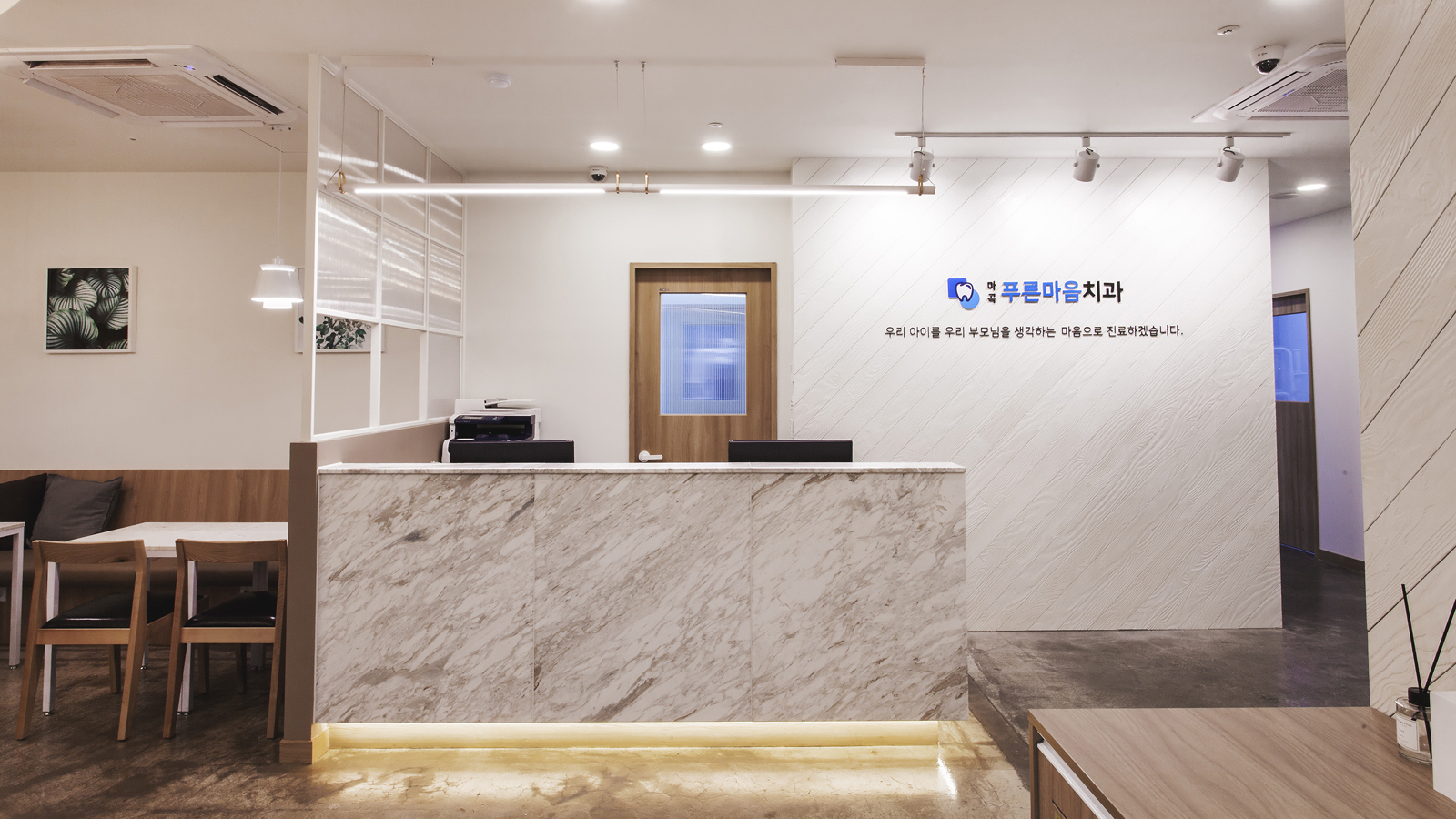
To find out which aesthetic prosthetics option is right for your tooth, schedule a consultation at Magok Pureunmaeum Dental Clinic in Seoul. The clinic is located on the 3rd Floor, Woosung SB Tower, 385 Gangseo-ro, Gangseo-gu, Seoul, near Exit 2 of Balsan Station, and is open Monday, Wednesday, Thursday, and Friday from 9:30 AM to 6:30 PM, Tuesday from 9:30 AM to 8:30 PM, and Saturday from 9:30 AM to 2:00 PM, with no lunch break; the clinic is closed Sundays and public holidays. To arrange an appointment, visit the clinic's contact page.
Disclaimer
This page is for general informational purposes and does not constitute individualized medical advice. Candidacy, technique, and expected outcomes can only be determined through a consultation with a qualified physician.
Sources & Further Reading
Other Services
Explore additional treatments offered by our specialists.
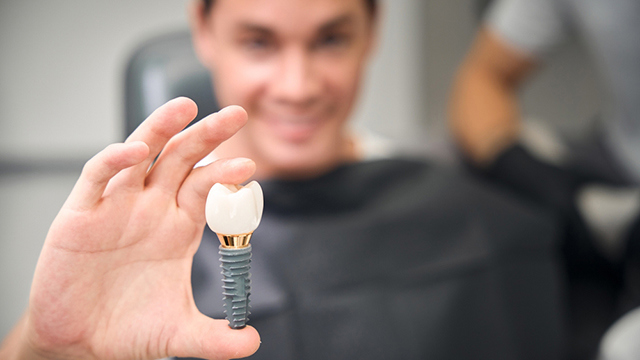
Standard Implants
A standard dental implant surgically embeds a titanium fixture into the jawbone to replace a missing tooth root, then secures a custom-fitted crown on top through an intermediate abutment.
Learn More
Single-Visit Root Canal Treatment
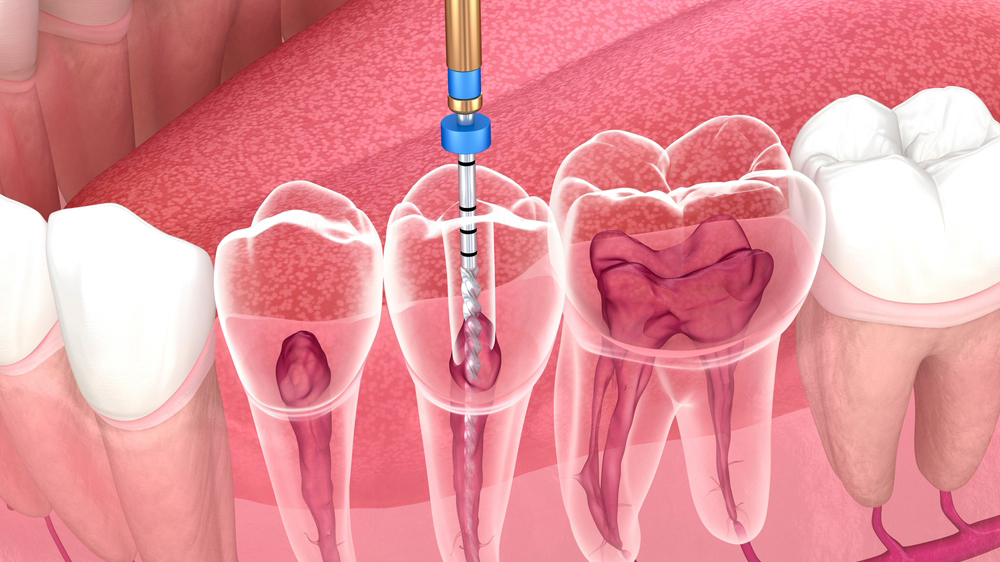
Single-visit root canal treatment is a procedure that removes infected or inflamed pulp tissue from inside a tooth and seals the resulting root canal system, completed within one appointment rather than staged across multiple visits.
Learn More
Inlay Restoration
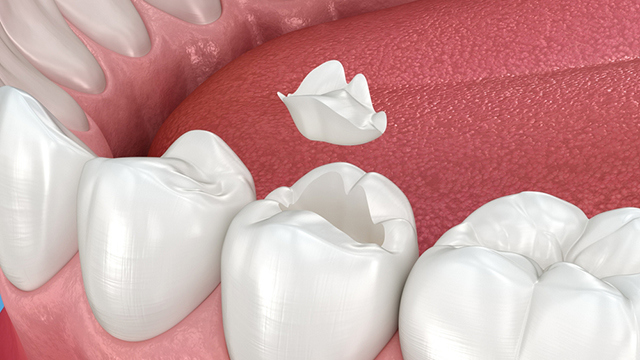
An inlay restoration fits a custom-fabricated piece precisely within the central area between a tooth's cusps, repairing moderate decay or damage without covering the cusps themselves or the whole tooth.
Learn More